How Can We Make Your Event Better for People, Animals and the Planet?
Better events for everyone and everything.
Not just for green events. Built for every event, and it can save you money.
Whether you run a sporting event, a concert, a conference, a festival or a simple meeting, we’re here to help make it better for the people who attend and work it, the animals it touches, and the planet we all share. The Event Integrity Rating shows you where your event already shines and where small changes can make a big difference. You don’t need to be an environmental event to take part. Most of the events we rate aren’t.
Every point is public and backed by proof, so your guests, fans, sponsors and community can see the good your event is doing. And many of the steps actually save you money.
Every kind of event belongs here. If people gather, the rating can help.
🏟️Sports
🎵Concerts
🎤Conferences
🎪Festivals
🤝Meetings
🏘️Community Events
💍Weddings
🏢Trade Shows
🎓School Events
🎗️Fundraisers
⛪Faith Gatherings
🧳Company Retreats
💲 Saves You Money
Good for the Planet, Good for Your Budget
Making your event better doesn’t have to cost more. Many of the steps in this rating actually save you money, and we’ve marked each one so you can start there. Do the money savers first, earn your points, and put the savings toward the next improvement.
Pre-order meals and confirm headcounts so you pay for less wasted food
Choose plant-forward menus, which often cost less per plate
Go digital with programs, tickets and badges
Use undated signage you can bring back year after year
Offer water refill stations instead of buying bottled water
Buy reusable cutlery and dishes once, then donate them afterward
Skip swag bags or make them opt-in
Donate leftover food to lower disposal fees
Source locally to cut shipping and delivery charges
Share a venue, dates or audiences with another event to split costs
Offer virtual options for speakers to save on travel and hotels
Recycle and compost where your venue supports it to reduce hauling fees
Savings depend on your venue and contracts. Some venues require in-house catering or charge for outside items, so check yours first.
How It Works
1
Tell us about your event
Answer simple questions about your food, travel, venue, people and program. No detailed guest data needed.
2
See your score and easy wins
Find out where you already shine, plus the quick steps that raise your score, many of which save money.
3
Share your rating
Show guests, fans and sponsors your public, proof backed rating and the good your event is doing.
Fair to Everyone
You won’t lose points for things you can’t control. If your city or venue was chosen for you, you can still earn a great score by focusing on what you can change, and you can earn bonus points through steps like pre-purchasing carbon credits from a reliable source or sponsoring a coral reef before your event.
Quick Wins for Small Events
A club meeting, a church supper or a neighborhood fundraiser can make a real difference too. Our list of 100 Small Things Anyone Can Do is full of simple, low cost ideas, like buying stainless steel cutlery once and donating it after the event. Have an idea of your own? Send it in. New ideas are reviewed and added every week.
Event Integrity Rating Better for people, animals and the planet eventintegrityrating.org
Rated events get a badge for their website, tickets and social media. It tells your guests and sponsors you’re doing the work, and it links to your public proof.
Why Sponsors and Fans Care
Sponsors want proof, not promises, before they put their name on an event. Fans and guests notice events that do right by people and animals. A public rating gives everyone a reason to choose your event and come back next year.
Common Ground, Not Politics
Better events aren’t a left or right issue. The middle 70% of people want to work together, waste less, treat people well and protect the places we love. This rating is built for all of them.
This rating began with event organizers asking a simple question: how can we make our events better? I’ve been fortunate to learn from many people over the years, and this is my way of passing that along. I hope it helps your event shine.
Steve Bender Chairman, United States Green Chamber of Commerce
Plan greener. Prove it. Leave something better behind.
The Environmental Integrity Rating was designed to help organizers create better environmental, sustainability and conservation events. It works like a coach, not a judge: free tools, a clear checklist and a score that grows with every improvement, so any gathering, from a meeting to an international conference, can match its actions to its message.
Plan greener
Step by step guidance on travel, food, energy, venues and waste, the choices that shape most of an event’s footprint.
Prove it
Every point is backed by public proof, so attendees, sponsors and partners can see exactly what an event delivered.
Leave something better
Go beyond cutting the footprint by funding results that last: reefs, forests, solar and pollinator gardens.
Our mission
To help every environmental, sustainability and conservation event practice what it preaches, by giving organizers simple, science based tools to cut their footprint, prove their progress in public, and leave a lasting benefit for people and the planet.
Created by Steve Bender, Chairman of the United States Green Chamber of Commerce.
Integrity is not a party issue
Three Republicans, three Democrats and an independent voice, on the same idea.
If you have integrity, nothing else matters. If you don’t have integrity, nothing else matters.
Alan K. Simpson, Republican former United States Senator from Wyoming Wyoming, USA
Were we truly men of integrity, men who never ran out on either the principles in which they believed or the people who believed in them?
John F. Kennedy, Democrat 35th President of the United States Massachusetts, USA
The supreme quality for leadership is unquestionably integrity. Without it, no real success is possible, no matter whether it is on a section gang, a football field, in an army, or in an office.
Dwight D. Eisenhower, Republican 34th President of the United States Kansas, USA
Everyone is entitled to his own opinion, but not his own facts.
Daniel Patrick Moynihan, Democrat former United States Senator from New York New York, USA
No man is above the law and no man is below it; nor do we ask any man’s permission when we require him to obey it.
Theodore Roosevelt, Republican 26th President of the United States New York, USA
My faith in the Constitution is whole; it is complete; it is total.
Barbara Jordan, Democrat former United States Representative from Texas Texas, USA
Independent
Is it the truth?
“Truth, it turns out, is not just a moral value. It is infrastructure as essential as energy, data, and capital.”
“Trust is no longer a soft metric. It is a balance-sheet item.”
“The laws of physics do not negotiate. Data does not vote. Reality does not respond to ideology.”
“In a world where reality can be engineered, truth becomes a choice. Not as partisans. Not as spectators. But as builders. Builders of trust.”
Steve Bender, Independent Chairman, United States Green Chamber of Commerce. From his keynote “Is It the Truth?”, Davos, Switzerland, January 19, 2026 Kansas City, Missouri, USA
Points go where the most emissions can be avoided or removed, following the best published research on climate solutions. When two rules conflict, the one that better matches the science wins. As the science advances, the Sea 2 Sky Carbon Advisory Committee will recommend updates for 2028 events, and every update will be made public.
For most conferences, attendee travel is the largest share of the footprint, so Travel carries 20 of 100 points. Plant rich diets and reducing food waste are among the highest impact climate solutions, so plant based food earns full Food points. Climate solutions research does not count offsets as a climate solution, so credits come after real cuts. The one exception is Fair to All Concerned: an event earns a bonus for the points that depend on a city or venue it could not choose, by prepurchasing independently certified credits or funding a coral reef, pollinator garden, regenerative farm or other project before the event.
Science changes daily, and so will we
We are now taking applications for the Sea 2 Sky Carbon Advisory Committee. We will select scientists and practitioners to help set the rules for 2028 events, from fields including:
Climate science and carbon removal
Carbon accounting, life cycle analysis and verification standards such as ISO 14064
Marine biology and coral reef restoration
Forestry, soil science and regenerative agriculture
Every event leaves a footprint. The best ones leave something better behind.
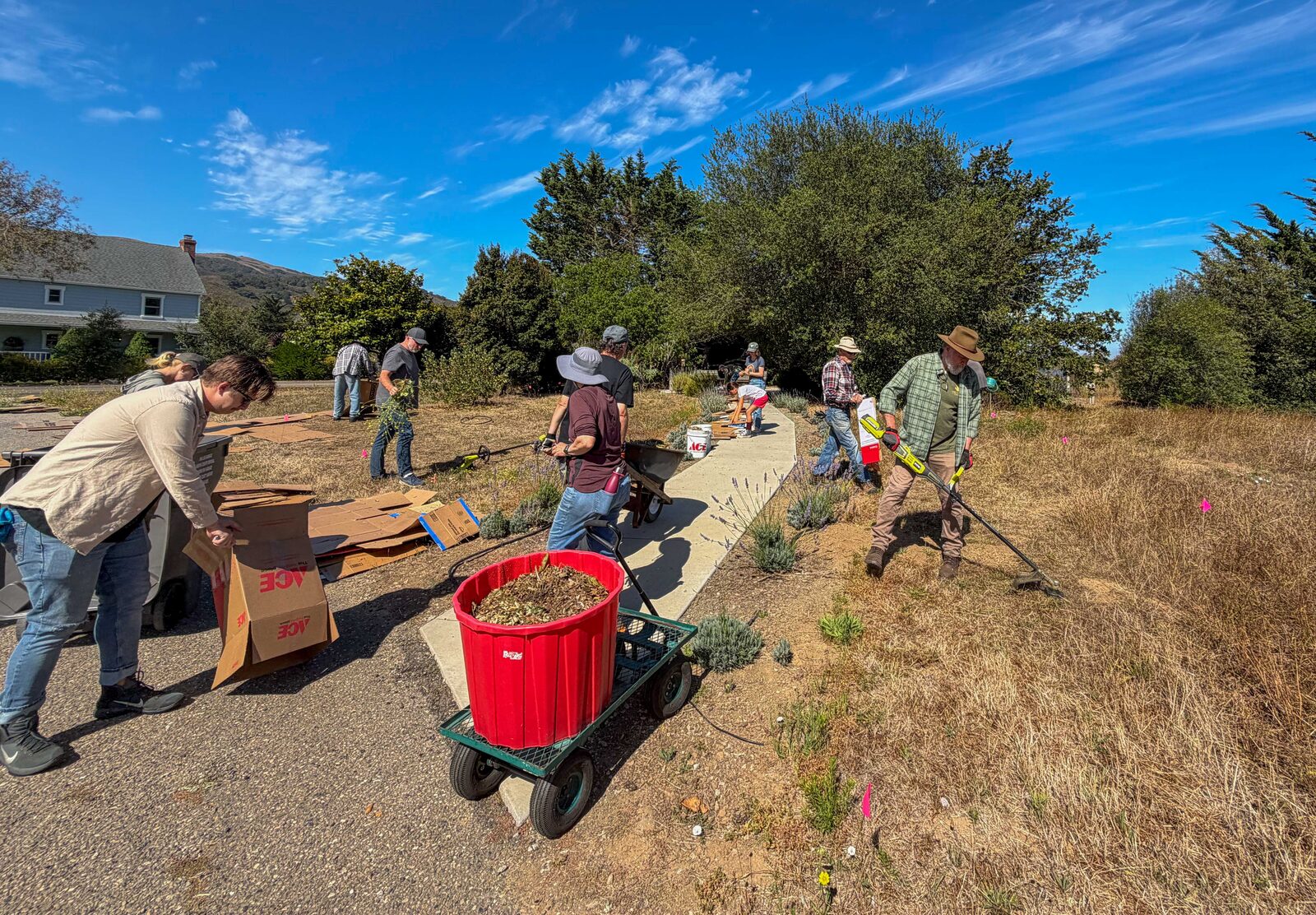
Volunteers planting rare trees in Dolphin Bay, Panama, holding “Trees are the answer” stickers.
The founder’s story
Six decades of caring for the land, and how they led to this rating
My love for the land did not begin with a cause. It began with a farm in the 1960s, where my father taught us children about the environment from the time we could walk. Since then I have spent more than six decades protecting land and water, planting trees, restoring reefs and helping others do the same. This rating brings all of it together.
A lifetime of environmental work
1960s
Grew up in Kansas City with our family’s farm and ranch just outside town, tending cattle, cutting wood and baling hay on land farmed organically long before anyone had a word for it.
My father, Lawrence Conrad Bender, a proud Eagle Scout, began his conservation projects in 1963 on his Bar B Ranch near Piper, Kansas, building waterways and dams to stop erosion, and by 1966 was winning awards for them, including the Kansas Bankers’ Conservation Award. My grandfather, Conrad F. Bender, raised organic beef and experimented with natural fertilizers. My mother’s father, Basil Gilmore, built the Natural Fly Company in Windsor, Missouri, and guided in Canada and Alaska.
My grandfather Conrad F. Bender fishing with my sister Laurie, my brother Don and me on the family farm in the 1960s, where he practiced silvopasture.My father, Lawrence Conrad Bender, as an Eagle Scout.The Kansas City Kansan, January 13, 1966: my father, L. C. Bender, among five Wyandotte County farmers receiving the Kansas Bankers’ Conservation Award.My grandfather Basil Gilmore, founder of the Natural Fly Company, with a prize catch.Beside my grandfather Basil Gilmore’s Natural Fly Company factory in Windsor, Missouri. From left: my brother Don, me, my sister Laurie, my mother Beverly and my father Lawrence Bender.
1970s
Grew up in a scouting family: my father, an Eagle Scout, was a Cub Scout leader, and my mother, Beverly, was a Girl Scout leader. Together they taught us to help wherever we could.
As a Cub Scout, won a Reader’s Digest award for a poster called “America the Beautiful?” at a time when some American rivers were so polluted they caught fire.
At sixteen, began giving Colorado blue spruce trees as Christmas presents and planting them for friends when the ground thawed.
My school portrait.Me as a Cub Scout.“America the Beautiful?” My poster that won a Reader’s Digest poster contest.
1980s
Watched my father build one of the first partly underground passive solar homes in Kansas, where my own passion for sustainable living took shape.
2000s and 2010s
Led the renaming of the Newport Bay Naturalists and Friends as the Newport Bay Conservancy, then served as its president. As president, lobbied for the Laguna Beach Marine Protected Area.
Lobbied alongside Ed Begley Jr. to close the San Onofre nuclear power plant, which shut down for good in 2013.
Served on the advisory board of the Sustainability Leadership Program at the University of California, Irvine.
Created the Doc in a Box series, turning reused steel shipping containers into solar powered medical clinics built with local high school students, a series that grew to include Dental in a Box and Vision in a Box. In May 2011, escaped from Alcatraz by swimming to San Francisco, raising the funds to ship the first clinic to South Africa, where it served AIDS orphans.
Became a founding director of the United States Green Chamber of Commerce, coined “Green is the New Black” in 2012, and co-founded Rotary’s Global Climate Pledge.
2020s
In early 2020 I flew to Panama ahead of my Ayuda International volunteer dental team. When Los Angeles International Airport shut down for COVID-19, my team was stranded in California and I was stranded on Isla Colón in Bocas del Toro. With borders closed, seniors, Indigenous Ngäbe-Buglé families and small fishing communities on the outer islands were cut off from food, fuel and medicine, so I began delivering supplies by small boat. Between runs I dove the reefs and found coral bleaching, shrinking fish populations and invasive lionfish. With local divers, scientists and fishermen we started the Rotary Reef Program: artificial reefs, a coral seed bank, and a lionfish initiative that turns an invasive species into restaurant income. Seeing local fruit rot while pineapples arrived from the mainland led to Bocas Bounty, a community exchange for food, seeds and seedlings. And after learning that the Great Green Macaw had vanished from Panama along with its nesting tree, the almendro, we planted more than 5,000 almendro saplings in the first year. What began as emergency help became The Panama Project, the flagship of the 7 Seas Initiative, guided by Project Drawdown, which I first discovered in the April 2019 issue of Rotary magazine. Today more than 15,000 trees have been planted.
Won second place in the world in Rotary’s #IFixThePlanet challenge in 2021 for the Rotary Reefs project, “Restore and Repair Coral Reefs off the Coast of Panama.”
Named District 5320’s official Global Environment Causes Champion for 2022 to 2023 by District Governor Dan Ouweleen, recognized on stage at the Rotary Experience at EarthX in Dallas on April 21, 2023.
In September 2023, traveled to Ukraine, dodging drones, to work on Mines to Vines, the Roots of Peace program with Rotary that clears landmines so farmland and vineyards can be replanted. In Lviv, presented prosthetic hands for children who lost their hands to landmines, and launched Rebuild Ukraine Green to help Ukraine rebuild in a cleaner, greener way.
In December 2023, after COP28 in Dubai, where I joined Henk Rogers of the Blue Planet Alliance, was invited to Taiwan as the North American delegate and advisor to help Taiwan set up its carbon market. In Kaohsiung, surveyed land for carbon projects in Pingtung and Qishan, signed a memorandum of understanding with The Taiwan Group on carbon and environmental work, was guest of honor at a state dinner with the Deputy Director of Agriculture, and visited and spoke at the Taiwan Carbon Solution Exchange, which had opened just four months earlier. Also visited the Net Zero Institute before meeting partners in Taipei.
In February 2024, spoke at the 4th Latin American Summit for Fisheries and Aquaculture Sustainability in Mexico City, representing the Rotary Club of Newport Beach and the UN Development Programme (UNDP), and served as an advisor to Oceans Week Mexico & Pacific Coast in June 2024.
Serves as Global Partnership Ambassador (SDG 17) for the Orange County Chapter of the United Nations Association of the USA, building partnerships for the UN Sustainable Development Goals.
Dedicated forests in Finland and Panama, with a forest for monarch butterflies planned in Mexico.
Led the Environmental Sustainability Rotary Action Group in Western North America, and spoke at conferences on four continents, including the opening night keynote in Davos, Switzerland, on January 19, 2026, “Is It the Truth?”, built on the Rotary Four-Way Test.
Received the Global Strategic Policy Leader Award at the 2026 Global Cleantech Forum in Davos on January 19, 2026, “for fostering sustainable ecosystems merging private enterprise with climate stewardship.”
Spoke at the Rotary International Conventions in Calgary, Canada, in June 2025 and in Taipei, Taiwan, in June 2026.
In February 2026, joined RIMEX 2026, the Rotary gathering in San Miguel de Allende, Mexico, as an international guest, along with the first Mexico USA Project Fair.
On October 29, 2026, spoke on the “Capital to Concrete” panel at the Globalaw Annual Members Meeting in Austin, Texas, presenting Rebuild Ukraine Green and Davos to Dallas 2027.
Founded the Environmental Xperience at EarthX, launched with EarthX’s 15th anniversary in April 2026 at the Hilton Anatole in Dallas: 73,000 square feet, eight stages over three days, more than 150 speakers and 1,700 attendees from more than 100 countries, and more than 40 Rotary clubs. We livestreamed more than 14 hours, reached more than 100,000 people online and showcased more than 50 on-site projects, with Rotary as a co-architect from the opening day to the closing ceremony. Former Rotary International President Barry Rassin opened and closed it with Wade Nomura and me, and at the closing, our speakers and curators surprised me with a moment of recognition I will never forget. There I also created and tested this rating, and became Chairman of the United States Green Chamber of Commerce. Download the full Environmental Xperience 2026 booklet (PDF, 148 MB).
Trees are the answer: planting day at Dolphin Bay in Bocas del Toro, Panama.With Jennifer E. Jones at the Rotary International Convention in Houston, Texas, in June 2022, just before she became the first woman to lead Rotary International.District 5320’s Global Environment Causes Champion, 2022 to 2023, signed by District Governor Dan Ouweleen.With Past Rotary International President Mark Maloney and that year’s District Governor at our Rotary Reefs Project booth, 2023.EarthX and Rotary royalty: EarthX founder Trammell S. Crow, in yellow, with Shab Elawar, the hardest working Rotarian on earth, at EarthX in Dallas, April 2023.With EarthX founder Trammell S. Crow, holding Earth marbles and standing with Captain Paul Watson in our #FreePaulWatson shirts.At ICC Ukraine, the International Chamber of Commerce in Ukraine, in September 2023.With the Paramedic team in Ukraine, September 2023.Visiting a vineyard in the Odesa region for Mines to Vines, September 2023.In Odesa, Ukraine, September 2023.
With Henk Rogers, founder of the Blue Planet Alliance, at COP28 in Dubai in December 2023, just before the Taiwan trip.Signing a memorandum of understanding with The Taiwan Group on carbon and environmental work at the Grand Hilai Hotel in Kaohsiung on December 11, 2023, the night of the state dinner held in my honor.With our hosts at the Taiwan Carbon Solution Exchange in Kaohsiung, December 12, 2023.Advising on Taiwan’s carbon market at a roundtable at the exchange.At the Net Zero Institute in Taiwan.At the United Nations for the 2024 ECOSOC Partnership Forum, January 2024, beside Sustainable Development Goal 17, Partnerships for the Goals.With EarthX founder Trammell S. Crow, left, at the UN Summit in New York.Speaker diploma from the 4th Latin American Summit for Fisheries and Aquaculture Sustainability in Mexico City, February 16 to 17, 2024, signed by Citlali Gómez Lepe of COMEPESCA and Alfonso Miranda of CALAMASUR.With the Oceans Week Mexico & Pacific Coast and COMEPESCA banners.Partnerships for the Goals in action: collecting e-waste and giving away trees at our event in Dallas, April 2024, with the Rotary Club of Preston Hollow, Andrew Siegel of the North Dallas Chamber of Commerce and The Junkluggers. We collect e-waste at our events, and we continue to work with all of these partners on projects across Texas.At the Rotary International Convention in Calgary, Canada, 2025.Giving my keynote, “Is It the Truth?”, in Davos, Switzerland, on January 19, 2026.With fellow honorees at the 2026 Global Cleantech Forum awards in Davos.The Global Strategic Policy Leader Award, 2026 Global Cleantech Forum, Davos, January 19, 2026.With Olayinka Hakeem Babalola, now Rotary International President for 2026 to 2027, at RIMEX 2026 in San Miguel de Allende, Mexico, February 26, 2026.With Rotary International President Olayinka Hakeem Babalola and RI General Secretary John Hewko at RIMEX IA 2026 in Mexico.The surprise moment of recognition at the closing of the Environmental Xperience 2026, as our speakers and curators shared their reflections.Speakers, curators, Rotarians and partners together on Stage 1 at the closing of the Environmental Xperience 2026.At the Rotary International Convention in Taipei, Taiwan, 2026.
Inspired and informed by
This rating stands on the work of many people and ideas. Among those who inspired and informed it:
Dr. Jonathan Foley and Project DrawdownClimate solutions research that puts the biggest real reductions first, the reason science comes first in this rating.
Paul HawkenFounder of Project Drawdown, whose book Drawdown inspired Rotarian Drawdown in 2019 and, from it, 100 Projects in 100 Countries.
Dr. Thomas English and En-ROADSThe climate solutions simulator from Climate Interactive and the MIT Sloan Sustainability Initiative, which shows which actions matter most, the same thinking behind how points are weighed.
Bill Shireman and Trammell S. CrowTheir work on In This Together, bringing Republicans, Democrats and independents together, the heart of how this rating rewards bridging divides.
Rick FedrizziCo-founder of the U.S. Green Building Council and LEED, the venue standard this rating uses.
Captain Paul WatsonFounder of the Sea Shepherd Conservation Society and the Captain Paul Watson Foundation, and a good friend, whose words “If the ocean dies, we die” are the reason life below water carries special weight in this rating.
Dr. Sylvia EarleOceanographer, former Chief Scientist of NOAA and founder of Mission Blue, pictured with me at EarthX 2024 in Dallas. We share a lifelong passion for the oceans, and her call to protect them guides the life below water items in this rating.
Annie Leonard and The Story of StuffThe short film that showed how everything we buy carries a hidden cost, from extraction to the landfill, and the thinking behind this rating’s focus on waste, reuse and the 100 small things anyone can do.
Thor Sigfusson and 100% FishThe Iceland Ocean Cluster movement to use nearly every part of every fish caught, proof that respecting the ocean and reducing waste can also build good businesses.
Ed Begley Jr.My partner in the campaign to close San Onofre, who joined me again years later at the Environmental Xperience at EarthX, and a lifelong example of living what you preach.Top right: with Ed and Caroline Leedom of the Rotary Club of Newport Beach during the San Onofre campaign. Below: together again at the Environmental Xperience at EarthX in Dallas, April 20, 2026, with the WorldSkyGames blimp behind us.
Ted TurnerFounder of CNN and the Turner Foundation, who devoted much of his fortune to the environment, was for years the largest private landowner in the United States, raised the world’s largest privately owned bison herd and created Captain Planet to inspire a generation of young environmentalists. He passed away in May 2026.
Laura Turner SeydelHer work restoring land at scale through Groundswell and One Billion Acres.
With John F. Germ aboard my boat on Father’s Day 2016.
John F. GermRotary International President 2016 to 2017, who encouraged me to charter my own Rotary club during a Father’s Day visit aboard my boat. That became the Rotary Club of Newport Beach, the Global Service Club, with two guiding lines: “Embracing the Future While Respecting the Past” and Not Your Grandfather’s Rotary Club.
Barry RassinRotary International President 2018 to 2019, from the Bahamas, who made the case for why climate change is Rotary’s business, warning that most of his home islands sit less than five feet above sea level. His vision inspired the 7 Seas Initiative, a model that brings all seven of Rotary’s areas of focus together in one place.
Holger KnaackRotary International President 2020 to 2021, from Germany, who led Rotary through its first year with the environment as its seventh area of focus and championed the #IFixThePlanet challenge. Nearly 7,000 people took part, and on World Environment Day 2021 my club’s Rotary Reefs video, “Restore and Repair Coral Reefs off the Coast of Panama,” won second place in the world, with a certificate signed by President Knaack.
The Rotary Four-Way TestIs it the truth? Is it fair to all concerned? The source of this rating’s commitment to truth and to fairness for every organizer.
Rotary International Presidents since 2012
Their leadership grew Rotary’s environmental work, from tree planting to the environment becoming an area of focus, and with it the projects behind this rating.
Sakuji Tanaka, Japan, 2012 to 2013. Theme: “Peace Through Service.”
Ron D. Burton, United States, 2013 to 2014. Theme: “Engage Rotary, Change Lives.”
Gary C.K. Huang, Taiwan, 2014 to 2015. Theme: “Light Up Rotary.”
K.R. Ravindran, Sri Lanka, 2015 to 2016. Theme: “Be a Gift to the World.”
John F. Germ, United States, 2016 to 2017. Theme: “Rotary Serving Humanity.” Encouraged me to charter my own Rotary club.
Ian H.S. Riseley, Australia, 2017 to 2018. Theme: “Rotary: Making a Difference.” Challenged every Rotary club to plant a tree for each of its members, and was honored for it at the Rotary Experience at EarthX in 2023.
Barry Rassin, Bahamas, 2018 to 2019. Theme: “Be the Inspiration.” Made the case for why climate change is Rotary’s business, and the inspiration for the 7 Seas Initiative.
Mark Daniel Maloney, United States, 2019 to 2020. Theme: “Rotary Connects the World.” Announced the environment as Rotary’s seventh area of focus in June 2020, and was honored for it at the Rotary Experience at EarthX in Dallas in April 2023.
Holger Knaack, Germany, 2020 to 2021. Theme: “Rotary Opens Opportunities.” Championed the #IFixThePlanet challenge, where the Rotary Reefs project placed second in the world.
Shekhar Mehta, India, 2021 to 2022. Theme: “Serve to Change Lives.” Held a presidential conference in Venice on keeping the economy and the environment in harmony.
Jennifer E. Jones, Canada, 2022 to 2023. Theme: “Imagine Rotary.” The first woman to lead Rotary International, who championed pollinators through Operation Pollination, including the Monarch Mariposa Boxcar, a rail car that toured North America in 2022 to raise funds to plant 60,000 oyamel trees at the El Rosario Monarch Butterfly Sanctuary in Mexico, and the inspiration for Pollinators Without Borders.
R. Gordon R. McInally, Scotland, 2023 to 2024. Theme: “Create Hope in the World.” Focused on peace and mental wellbeing.
Stephanie A. Urchick, United States, 2024 to 2025. Theme: “The Magic of Rotary.” The second woman to lead Rotary International.
Francesco Arezzo, Italy, 2025 to 2026. Theme: “Unite for Good.”
Being inspired by their work does not mean any of these people or organizations endorse this rating.
Built and tested with the help of many professionals
No one builds a fair rating alone. Over the years, this rating has been shaped by the advice and support of many professionals: climate scientists and carbon accountants, independent verifiers, venue, catering and energy managers, event planners and sponsors, conservation partners in Panama, Finland and Mexico, and Rotary leaders across the Americas. Organizers around the world have tested its ideas at their own events and told me what worked and what did not.
The real proving ground was the Environmental Xperience 2026 in Dallas, where 203 speakers from at least 13 countries and about 1,700 visits put every tool to work, from the vegan menu to the travel footprint to forests and reefs placed before the event. What we learned there is built into the rating you see today, and the Sea 2 Sky Carbon Advisory Committee will keep it current for 2028.
Projects like Doc in a Box and the swim from Alcatraz taught me that big ideas are possible when you are willing to do whatever it takes to reach the goal. I have brought that same determination to this rating.
For about 15 years I have spoken at conferences and conventions, and I have seen how much good an event can do, and how much it can waste. Organizers kept asking me how to do better. This rating is my answer: everything my family taught me about caring for the land, turned into tools any organizer can use.
What comes next
At the Environmental Xperience 2026 in Dallas, I stood with Past Rotary International President Barry Rassin and Past District Governor Wade Nomura, two Rotary leaders who share this work for clean water, healthy oceans and a living planet. That moment pointed the way forward.
In April 2027, Environmental Xperience events will open in cities across Texas, from Dallas and Fort Worth to Houston, Austin and San Antonio, bringing people together to learn, plant, restore and take part in One Billion Acres. From there, the plan is to grow across North America, then through the Americas, and in time around the world. Every event will be planned with this rating, improved with it and shared through it, so each one leaves something better behind.
There is a teaching, often attributed to the Haudenosaunee, the Iroquois Confederacy, that every decision should be weighed for its effect on the next seven generations. I have come to see that teaching in my own family, and it guides every rule in this rating.
My grandfather planted for my father. My father planted for me. This rating is how I plant for my nieces, for their grandchildren, and for the generations after them that I will never meet.
Steve Bender Chairman, United States Green Chamber of Commerce
How it started: one tour, many audiences
The rating grew from a simple idea: instead of many small events, bring audiences together in one place, so fewer people travel and every gathering does more good.
One RV, many clubs, no new event
In January 2025, Steve drove his RV, which gets about 17 miles per gallon, from Southern California up the West Coast to Vancouver Island in Canada, speaking at Rotary clubs along the way. Instead of asking people to travel to a new conference, he went to clubs that already meet every week. Each host club was asked to invite every member interested in environmental projects, along with environmental chairs and President-Elects from nearby clubs, so one regular meeting became a regional gathering. One speaker traveled to many existing meetings, instead of many people traveling to one new event.
Practicing what we preached at every meeting
No single use plastics: refillable water pitchers and reusable cups instead of plastic bottles, and real plates and cutlery.
A better plate: plant forward menus, with vegetables, grains and beans at the center and little or no red meat.
No food waste: meals ordered to the number of people actually attending, smaller portions with seconds available, and leftovers shared with members or donated.
Scraps out of the landfill: food scraps composted where the venue allowed it.
These simple habits became the heart of the rating's Food and Venue categories.
The honest footprint of the tour: about 3,000 miles round trip at 17 miles per gallon is roughly 175 gallons of fuel, or about 1.6 tonnes of CO₂. That is about the same as one passenger's round trip flight from Los Angeles to Europe, shared across every club and member reached.
Planning the Big West Zone Water Summit, Steve Bender proposed a hybrid model so Rotarians could learn from experts without the expense or carbon footprint of travel.
January 2025
As ESRAG chair for Western North America, Steve drove his RV from Southern California to Canada on a West Coast speaking tour, and asked host clubs with large venues to invite the environmental chairs and President-Elects from clubs across their district, so many audiences could meet in one place.
January 11, 2025
The tour's first stop: the Los Altos Rotary Club's first Climate Action Summit, which brought together more than 125 people from Rotary clubs, businesses and community groups.
January 12 to 25, 2025
Sacramento, San Mateo and Novato in California, the Bellevue Rotary Club in Washington, and as far north as Sidney by the Sea on Vancouver Island, at the Charlie White Theatre.
April 2026
The Environmental Xperience at EarthX in Dallas became the rating's test event, with every speaker's travel counted and covered.
December 1, 2026
The Environmental Integrity Rating launches.
January 30, 2027
The 2027 Climate Action Summit in Los Altos has been invited to be the first Rotary environmental conference rated.
How it works
Every event gets two scores, written like 82 + 12. Tiers come from the first number only. If it is not public, it does not score.
100
A great event
Up to 100 points across six categories, rated within 90 days of the event.
+20
Create Lasting Impact
Up to 20 bonus points at a six month follow up, for projects that were delivered with a measured result.
70s
A good first year
Good events should score well but not perfectly. A strong first or second year event should land in the 70s or low 80s.
Required items
A named sustainability lead with authority over venue, catering and vendors. From year one.
A public report against the standard within 90 days. From year one.
Attendees see the expected carbon footprint at registration. From year two.
No plastic water bottles given out or sold anywhere. From year two.
Six free tools to plan a better event and earn every point. Your answers are saved in this browser only, never sent anywhere. Ready for a formal, public rating? Submit your event at 47817.org.
Points within each category are weighted by climate impact: the actions that avoid or remove the most emissions earn the most.
Looking for more ideas? Browse projects to showcase in the 47817.org Project Library, sorted by Rotary's Areas of Focus, the pillars of peace and the UN goals. Costs are typical ranges; confirm with the project partner. All bonus points count inside the +20 cap.
Fill in your event once. Eight ready to send documents fill themselves in, and you can copy each one.
Paste one public link per item as you go. If it is not public, it does not score.
Item
Proof that counts
Link
Status
Six categories, 100 points
Each bar is sized by its points. Select a category to see what earns them.
Every item, mapped to a climate solution
Strong means the item directly reduces emissions as climate solutions research measures them. Partial means it helps but is indirect or small.
Category
Item
Climate solution or principle
Alignment
Carbon estimated in minutes, credits bought in advance
Organizers estimate the event's footprint from simple totals, then retire carbon credits before the event, so the commitment is public and can't be quietly dropped. No level ever asks for guest names, addresses or ZIP codes.
Basic
About 5 minutes
Expected headcount and the event's reach: local, regional, national or international. The default is set high on purpose.
1 Travel point
Better
About 15 minutes
Headcount by state or country, a summary report most ticketing platforms already produce. Usually lowers the estimate and the cost of credits.
2 Travel points
Better plus speakers
About 10 more minutes
Speaker home cities, which organizers already collect to book travel.
3 Travel points
Travel carbon for each group = 2 × one way distance (km) × emission factor for the travel mode (kg CO₂e per km)
Emission factors come from one published source used by every event, such as the UK government's greenhouse gas conversion factors or the US EPA's, and the source is named on the scorecard. Flights use separate factors for short and long haul.
The sequence
Instant estimate. The calculator turns the totals into a footprint for travel, hotel nights, food and venue. The average per attendee is shown at registration.
Credits retired before the event. About 30 days out, the organizer retires credits for the estimate plus a 10 percent buffer on a recognized registry (such as Gold Standard, Verra, Climate Action Reserve or American Carbon Registry) and posts the serial numbers.
True up after the event. The 90 day report updates the estimate with the final headcount. If it was short, more credits are retired.
Fair to All Concerned bonus
Many organizers cannot choose their city or venue, so no event is punished for where it is held. Any event can earn a Fair to All Concerned bonus equal to the location points it could not earn, up to 13 points: transit to the door, transit incentives, nonstop flights, walkable lodging and EV charging, and venue certification. The bonus can be earned with any of the actions below, as long as it is done before the event and is worth at least what certified carbon credits for the published footprint would cost:
Carbon credits from a reliable source, on a recognized registry or certified by an independent third party, covering at least the published footprint.
A coral reef, such as a Rotary Reef, with the reef structures placed in the water before the event opens.
Mangrove or seagrass restoration along a coast.
A pollinator garden of native flowering plants, through Pollinators Without Borders or a local partner.
Regenerative agriculture: helping a farm add cover crops, composting, rotational grazing or silvopasture.
Trees for a school, park or neighborhood near the venue.
Rooftop or community solar for a school or nonprofit.
Each project is entered on 47817.org with dated photos and a partner who confirms it. Projects done after the event do not earn this bonus; they are scored instead as Lasting Impact at the six month follow up. A reef also earns Lasting Impact bonus points, because life below water matters to every event. As our good friend Captain Paul Watson says, “If the ocean dies, we die.”
Credits score last
Prepurchased, retired credits with a true up earn up to 2 Honesty points, and can earn the Fair to All Concerned bonus. They never earn Food points or points for choices the organizer controls.
Reductions first
Credits count only if the event published a reduction plan and earned at least half of its Travel points.
Quality over price
Durable removal or credits from proven climate solution projects earn full points. Credits must be on a recognized registry or certified by an independent third party, such as ISO 14064-2; any others earn none.
Fund the footprint twice over, and build something that lasts.
Pollinators are part of the lasting impact events can fund.
Climate Positive: fund two times your footprint, and build something
Events that fund at least two more times their footprint earn a Climate Positive label on their scorecard. Points stay inside the +20 bonus, so extra money buys results, never a higher score on its own. Open to events that earned at least half their Travel points and published a reduction plan.
Preferred route
Solar in the host city
+4, and +1
Fund rooftop or community solar for a school, food bank, community center or nonprofit near the venue, sized to produce at least two times the event's footprint over its life. The extra point comes when the host or installer also publishes the result.
Proof: installer statement, photos, and a public monitoring dashboard at six months. Showcase projects on solaroftheamericas.org.
Another local climate solution project
+4, and +1
Restoration, building efficiency or EV charging for a nonprofit near the host city. The extra point comes when a partner publishes the measured result.
Proof: partner report with the result at six months.
High quality credits
up to +10
Retire credits for two more times the footprint from durable carbon removal or a proven climate solution project: +2. Events that go further earn more: 10 times the footprint earns +5, and 20 times or more earns +10, the cap for trees and credits combined.
Proof: registry retirement serial numbers, or an independent certificate such as ISO 14064-2.
Solar is preferred because it is a proven climate solution, keeps cutting emissions for 25 years or more, the community can see it, and a monitoring dashboard makes verification almost instant.
Sponsor a forest or a reef: reefs earn up to +10
Events that go further can sponsor an additional forest of at least 1 acre restored (about 0.4 hectares) with native species, with survival shown in the six month photos, and a Rotary Reef or another reef or fish habitat covering at least 100 square feet (about 9 square meters), as part of a larger restoration site that the partner monitors. A reef can also be sponsored with a donation of at least $5,000 to a verified reef restoration organization that confirms the donation funds at least 100 square feet. Each must be entered on 47817.org to score.
How the points are set. Trees and carbon credits share one cap of +10: a forest earns +1, or +2 when the result confirmed at six months is at least 2 acres, inside that cap. Reefs have their own bonus of up to +10, because life below water needs it most: 100 square feet of reef or fish habitat earns +3, 200 square feet earns +6, and 500 square feet or more earns +10. Points follow results, not dollars, as climate solutions research measures them. All count inside the +20 bonus cap.
Reef Champion and Forest Champion. Events that give $10,000 or more to a verified restoration organization, or whose project is confirmed at six months at 5 acres of forest or 500 square feet of reef or more, earn a Champion label on their scorecard. Forest Champion is recognition only; a Reef Champion also reaches the top reef bonus of +10.
Each entry shows the project's location, the partner doing the work (such as a local Rotary club), dated photos at the start and at six months, and the result (such as trees planted or reef area restored). The partner confirms the entry. For a reef donation, the entry shows the donation receipt and the organization's written confirmation of the reef work it funded; a verified organization is a registered nonprofit whose main work is reef restoration and that publishes its results. Projects that are not entered are welcome, but they do not score.
Pollinators and agrivoltaics
Solar with pollinator habitat. Native flowering plants grow under and around the panels. It qualifies as the solar route for Climate Positive, with Pollinators Without Borders as the partner that publishes the result.
Agrivoltaics. Panels are raised so crops grow or sheep graze beneath them, with pollinator plantings between the rows. One piece of land produces clean power, food and habitat, which answers the objection that solar takes farmland.
Pollinator gardens. A garden scores +4 as a Lasting Impact project, plus +1 when Pollinators Without Borders publishes the result. It counts for restoring nature; its carbon effect is small, so on its own it does not count toward Climate Positive.
Pollinator Friendly Venue. A venue that keeps beehives on its grounds and also plants native flowering plants to feed native bees and butterflies earns the Pollinator Friendly Venue label, shown in the Venue check and on the scorecard of every event held there. It is recognition, not points. Hives alone do not qualify, because native plants are what pollinators need most. An event that helps a venue add native pollinator habitat before it opens earns the pollinator garden bonus under Fair to All Concerned.
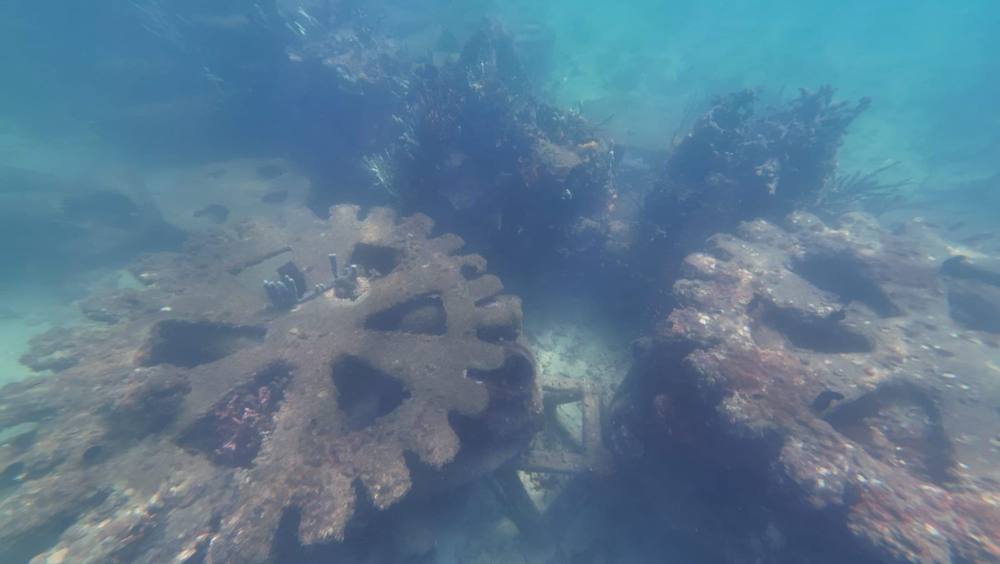
Every Rotary Reef wheel becomes a home for fish and coral.
A Rotary wheel reef module, Bocas del Toro, Panama.
Life below water needs the most help
Life Below Water, UN Sustainable Development Goal 14, is widely reported to be the least funded of the 17 goals. Coral reefs cover a tiny share of the ocean floor yet shelter about a quarter of all marine species. That is why this rating gives reefs their own bonus points and a Reef Champion label.
Sponsor a Rotary Reef
Rotary Reefs restores and repairs coral reefs off the coast of Panama with engineered reef structures, built with Rotary clubs, marine scientists and local communities. Its video on restoring reefs off Panama earned a second place certificate.
The 2027 Rotary Reef: a reef in the shape of a Rotary wheel
Large 6 foot reef wheels are placed in the shape of a Rotary wheel, with each arm representing one of Rotary's 7 Areas of Focus: peace and conflict resolution, disease prevention and treatment, water and sanitation, maternal and child health, basic education and literacy, economic and community development, and the environment. The finished reef covers about 200 by 200 feet. Between the large wheels sit Mini Rotary Reefs: small "fish hotels" built from a 24 inch Rotary wheel on 6 inch tubes, creating a fish nursery and a lobster motel.
An event that sponsors a Rotary Reef supports SDG 14 directly, gives its attendees a project they can watch grow, and earns reef points once the reef is entered on 47817.org with photos.
+1 point for one Rotary Reefs structure (about 100 square feet), another reef or fish habitat of at least 100 square feet, or a $5,000 donation to a verified reef restoration organization.
+1 more when the result confirmed at six months is at least 200 square feet, such as two Rotary Reefs structures.
Reef Champion label for $10,000 or more, or 500 square feet or more, such as five structures.
SDG 14 credited in the event's 4-7-8-17 alignment.
Reefs score for nature and SDG 14, not for carbon, so they add to an event's climate work rather than replace it. Ocean programs are also supported through the 7 Seas Foundation.
See the reefs
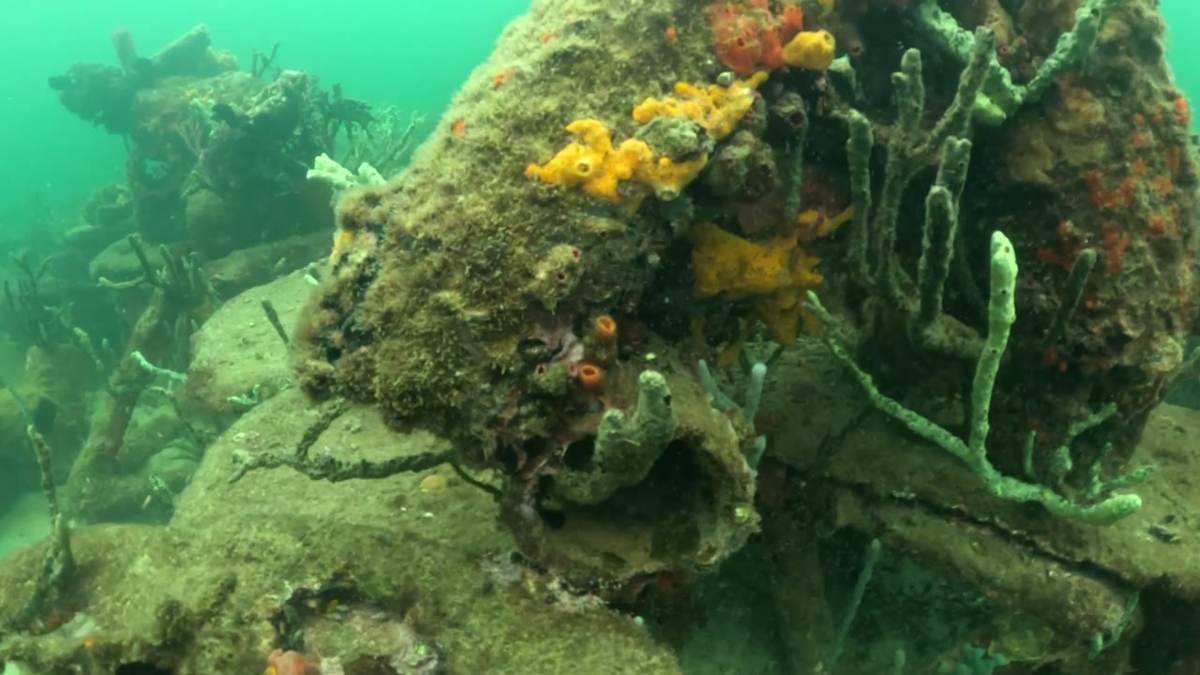
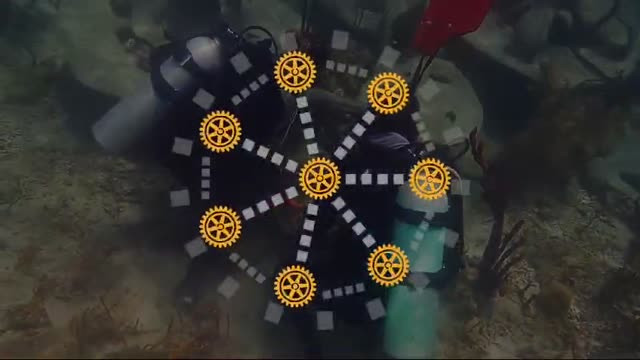
A 6 foot Rotary Reef wheel beside a diver, then the same kind of structure grown over with sponges and coral.Building and placing the wheels, and the Rotary wheel layout of the 2027 reef.Rotary Reef wheels on the seafloor, grown over with sponges and coral.The 2027 layout: large wheels arranged as a Rotary wheel, with Mini Rotary Reefs between them.In one frame, a single structure shows over 100 small fish in one school, with larger fish sheltering inside. Divers report thousands of small fish and hundreds of larger fish on each structure.Sponges and corals growing on a structure, surrounded by clouds of small fish.Fish sheltering inside the wheels, which give protected space an open reef does not.A nurse shark living between two wheels: placed together, wheels shelter larger animals.Rotary Club of San Mateo reef: colorful sponge and coral growth on the wheels.
Rate the projects too: the 4-7-8-17 framework
This rating judges whole events. Its companion, 47817.org, helps organizers pick projects to showcase at their events, and judges those projects using four time-tested lenses. Every Lasting Impact project is entered on 47817.org with dated photos and partner confirmation, and each event's scorecard shows its 4-7-8-17 alignment beside its climate alignment.
4
The Four-Way Test
Is it the truth?
Is it fair to all concerned?
Will it build goodwill and better friendships?
Will it be beneficial to all concerned?
7
Rotary's 7 Areas of Focus
Peace and conflict resolution
Disease prevention and treatment
Water, sanitation and hygiene
Maternal and child health
Basic education and literacy
Community economic development
The environment
8
8 Pillars of Positive Peace
Well functioning government
Sound business environment
Equitable distribution of resources
Acceptance of the rights of others
Good relations with neighbors
Free flow of information
High levels of human capital
Low levels of corruption
17
17 UN Sustainable Development Goals
1No poverty2Zero hunger3Good health and well-being4Quality education5Gender equality6Clean water and sanitation7Affordable and clean energy8Decent work and economic growth9Industry, innovation and infrastructure10Reduced inequalities11Sustainable cities and communities12Responsible consumption and production13Climate action14Life below water15Life on land16Peace, justice and strong institutions17Partnerships for the goals
How the two fit together
Pick a project to showcase: browse projects on 47817.org by the Areas of Focus, peace pillars and goals your audience cares about, or submit your own. Then feature it on stage, in the program and at a booth, so attendees see the good their event is doing and can support it.
Prove the result: the project's 47817.org entry, with photos at the start and at six months and the partner's confirmation, is the proof for Lasting Impact points and the forest and reef points.
Show the whole picture: an event's scorecard shows both how well it cut emissions and how much good its projects do for people and peace. A Rotary Reef, for example, serves the environment, Life below water and economic development for local fishing families.
Why 1 acre of forest and 100 square feet of reef ask for about the same effort. Costs and carbon rates are approximate and vary by location; they will be replaced with real project costs as they are published.
One acre of forest
Trees per acre. 43,560 square feet ÷ 100 square feet per tree (10 foot spacing) = about 435 trees.
Cost, approximate. 435 trees × $1 to $5 each = about $435 to $2,200. With site preparation and care, roughly $500 to $3,000 per acre.
Carbon, approximate. Restored tropical forest absorbs about 3 to 8 tons of CO₂ per acre per year. Over 20 years: 60 to 160 tons.
100 square feet of coral reef
Area. 100 square feet = about 9.3 square meters, about 1/435 of an acre. Reef restoration costs far more per square foot than planting trees.
Corals planted, approximate. Restoration teams often plant about 1 to 4 coral fragments per square meter: 9.3 × 1 to 4 = about 9 to 37 corals.
Cost, approximate. Including nursery growing, diving and follow-up care, roughly $2,000 to $10,000 for 100 square feet.
Survival, approximate. About 60 to 70 percent of planted corals typically survive the first year: of 9 to 37 planted, about 5 to 26 living corals.
Result. Living coral cover and survival, shown in photos at the start and at six months.
One Rotary Reefs structure: 100 square feet of fish habitat
Footprint. About 10 by 10 feet = 100 square feet (about 9.3 square meters), exactly the reef threshold. Each structure is part of a larger reef system.
Fish, observed. In one video frame, a single Rotary Reefs structure shows over 100 small fish in one school, with larger fish sheltering inside. Divers report thousands of small fish and hundreds of larger fish on each structure. The structures give far more protected space than an open reef, so fish gather much more densely around them.
Result. Fish and coral settling on the modules, shown in photos or video at the start and at six months.
Making sure it is a real benefit
Reefs are not counted for carbon, because coral reefs are not a significant carbon sink. They score for nature: healthy reefs shelter about a quarter of all marine species and feed coastal communities.
Coral planted on open reef is a real but modest benefit at 100 square feet: a few dozen corals. Fish habitat structures do much more. Each Rotary Reefs structure is observed holding hundreds of large fish and thousands of smaller fish, because it offers protected space that open reef does not.
Scientists still study how much of a structure's fish are newly produced and how much are drawn from nearby, so the proof is a fish count from video at the start and at six months, entered on 47817.org. Each Rotary Reefs structure is part of a larger reef system that the partner monitors.
Compared with an event's travel
Example: 1,000 attendees
Calculation
Tons of CO₂
600 fly 1,500 km each way
600 × 2 × 1,500 km × 0.15 kg per passenger km
270
400 drive 200 km each way
400 × 2 × 200 km × 0.17 kg per km
27
Total travel
about 300
One restored acre absorbs about 1 to 3 percent of that each year, and about 20 to 50 percent over 20 years. It is a real, lasting result worth a bonus point, but it does not cover an event's footprint, which is why forests and reefs score in Lasting Impact and never count as offsets.
If it is not public, it does not score.
Verification you can see.
Fast and transparent verification
Each question names the exact public proof it accepts, so organizers submit it while they fill out the rating. Verification time follows climate impact: travel, food, energy and refrigerants are checked first, and no event reaches Canopy or Old Growth until they are verified.
Five rules for quick checks
One link per item. No link, no points. The item stays reported until proof arrives.
Public databases first. Certification directories, certificate lookups, airline route maps and transit maps are the fastest and most trusted proof.
The website does the math. Travel and footprint numbers are calculated from the organizer's totals, so they are consistent and can't be adjusted by hand.
Check a sample. Reviewers spot check a few items per event and do a full review for Old Growth, awards and disputes. One false claim triggers a full review.
Ask the attendees. A three question survey after the event independently checks Food, Travel and Venue claims.
Transparency rules
Public scorecard. Every point shows its proof link, reported or verified status, the climate solution it supports, who verified it and the date.
Points lost are shown too. With what would earn them back, so the rating works as a roadmap.
Show the math. Inputs and emission factor sources are published.
Open rules with a version history. Each event is rated under the version in force when it was held.
Conflicts of interest disclosed. Reviewers with a tie to an event step aside.
Corrections and appeals in public. Appeals with new proof within 30 days; anyone can flag a claim with evidence.
No paid points. The rating publishes who funds it, and fees never affect a score.
Privacy protected. Only headcounts and totals by state or country are ever entered.
Each event's scorecard also shows its climate alignment: the share of its points earned from items rated Strong. Readers can see at a glance whether a high score comes from the actions that matter most for the climate.
What a published scorecard looks like
A sample, for illustration. Every rated event gets a public page like this, with every point, its proof and its status, and the points it missed with how to earn them back.
Sample event
Riverside Climate Summit 2027
2 days, 600 attendees, a regional audience. First rated edition.
77 + 7
Canopy
69%Climate alignment: share of points from the highest impact actions
69 points verified8 more reported, waiting for proof
0.68 tCO₂e per attendee; 410 t in total, 451 t of credits retired with the buffer
+7 bonusAt six months: one project delivered, 1 acre of forest, one Rotary Reef wheel
Travel17 / 20
VerifiedAverage attendee travel distance measuredProof: Registration totals by state4/4
VerifiedTravel footprint published (Better level)Proof: Published calculator result2/3
VerifiedHybrid attendance that replaced tripsProof: Registration counts by attendance type3/3
VerifiedFree electric shuttles from hotels and railProof: Shuttle schedule4/4
MissedRail, bus and carpool incentives0/2
VerifiedNonstop flights from most attendee citiesProof: Airline route maps2/2
ReportedWalkable lodging and EV chargingProof: Hotel list with walking distances2/2
Impact and Legacy15 / 22
ReportedProjects delivered with a carbon resultProof: Partner report4/9
VerifiedPolicy or practice changeProof: City council resolution6/6
VerifiedFunding given to partnersProof: Partner receipts3/3
VerifiedReaches both political partiesProof: Speaker list2/2
MissedWorking meetings with outcomes0/2
People and Program13 / 15
VerifiedWomen, students and youth on stageProof: Program4/4
VerifiedCivil debate and mythbustingProof: Session recording4/4
VerifiedFree worldwide livestreamProof: Public stream link3/3
VerifiedOcean, water and forest programsProof: Program2/2
MissedLow cost access for NGOs and students0/2
Food13 / 15
VerifiedPlant forward by defaultProof: Published menu and dated photos7/7
VerifiedLeftovers donated, scraps compostedProof: Food bank receipt, hauler report3/3
VerifiedLow red meatProof: Published menu2/2
MissedMeal pre-selection0/2
VerifiedPlant based partner and reusable servicewareProof: Partner listing1/1
Honesty and Integrity11 / 15
VerifiedFootprint publishedProof: 90 day public report5/5
MissedCarbon per attendee, year over year0/4
VerifiedSponsor policy and clean sponsorsProof: Sponsor policy page3/3
VerifiedCredits retired in advance, after cutsProof: Registry serial numbers2/2
MissedRenewable electricity for the event dates0/3
ReportedEfficient energy use, trackedProof: Venue energy report, requested2/2
MissedRefrigerant checks0/2
VerifiedWaste kept out of landfillProof: Hauler diversion report2/2
VerifiedWater stations, no single use plasticsProof: Venue contract (private to reviewers)1/1
Points missed, and how to earn them back
Add speaker home cities to reach the Better plus speakers level: +1
Offer a rail discount or carpool board: +2
Publish a measured carbon result for each project: up to +5
Hold a working session that ends with commitments: +2
Offer reduced NGO and student tickets: +2
Ask guests to choose meals at registration: +2
Publish it again next year to show the trend: +4
Ask the venue or utility for a green power statement: +3
Request the venue's refrigerant maintenance statement: +2
Rated under rules version 1.0. Reviewer and conflict disclosures, the emission factor source and the corrections log appear at the bottom of every real scorecard.
Tiers
Tiers come from the event score only. Returning events also receive a progress grade based on carbon per attendee: Leading change, Improving or Holding steady. The most improved event each year earns the Most Improved award.
Planted
Any first year event that meets its two required items and publishes its report.
Seedling
40 to 54
Sapling
55 to 69
Canopy
70 to 84
Old Growth
85 to 100, third party verification and at least two rated editions.
Fossil fuel sponsors: judged by what they do
Energy company sponsors are welcome, and every sponsor is listed publicly with what it receives. The penalty depends on the sponsor's role and on a transition test using five independent public standards: a validated science based target that covers its products' emissions; a meaningful published share of investment in low carbon energy; no new oil or gas field development; top rated methane reporting; and lobbying that matches its climate claims.
Transition tests passed
Title sponsor
Smaller sponsor
0 to 1
minus 10, capped at Sapling
minus 5
2 to 3
minus 6
minus 3
4
minus 2
minus 1
All 5
no penalty
no penalty
Influence guardrails earn back 2 points: the sponsor has no say over speakers or content, any climate policy panel it joins includes an opposing view, and its logo stays off climate science sessions.
Money that does good still counts: sponsorship earmarked for a verified project earns that project's Lasting Impact points, but it never reduces the penalty, so no one can buy their way out.
Worked example: the Environmental Xperience at EarthX 2026
Disclosure
Steve Bender developed both the Environmental Integrity Rating and the Environmental Xperience. He created the Environmental Xperience in part to test and develop this rating in a real event. Because of that connection, it is shown here only as a worked example. It is never ranked against other events and is never eligible for an award. Carboreal, which planted Crow Forest, sponsored EX 2026 with $25,000 and led its Carbon Xperience stage.
April 20 to 22, 2026, at the Hilton Anatole in Dallas. What a first year event looks like against the standard, including where it fell short.
Evidence of the event: the official EX 2026 booklet The 100 page post-event report with the full run of show, speakers, sessions, projects, impact numbers and photos.
This rating exists to help first. Here is what one event did with each tool in the organizer toolkit, so any organizer can do the same.
Templates: catering brief
A fully vegan menu
Everything served was vegan: free Loving Hut samples all three days, organic Rise Yaupon tea in recyclable paper cups, and an all vegan VIP reception on reusable plates.
Carbon calculator
Travel counted and published
A home base for every one of the 203 speakers, plus registrants from outside Dallas-Fort Worth, for a published travel estimate of about 220 tonnes of CO₂.
Project picker
Forests and reefs that last
Crow Forest in Rovaniemi, Finland, expected to remove about 13,000 tonnes of CO₂ over its life, the Rare Tree Forest at Dolphin Bay, Panama, and a Rotary Reefs project.
Templates: speaker invitation
Voices from around the world
203 speakers from at least 13 countries, a Women of Impact track, students and Interact clubs, ocean programs, and 14+ hours livestreamed.
Planning timeline
Both sides on one stage
An Across the Aisle session with a Democratic state senator and a Republican state representative, and a fireside chat with Braver Angels on civil debate.
Proof tracker
Every claim backed by proof
Each result is being linked to public proof, such as the Finnish Land Registry entry for Crow Forest. Points count only once the proof is posted.
What scored well
All vegan food. Everything served was vegan, including free samples from Loving Hut all three days and an all vegan VIP reception on reusable plates.
A central host city. Dallas is a major airline hub with nonstop flights from most US cities.
Venue certifications. The Anatole held ISO 14001 and ISO 50001 certification during the event and offers EV charging.
Lasting Impact. Seven post event projects are underway, earning bonus points as each result is published.
Travel covered. Speaker and registrant travel, estimated at about 220 tonnes of CO₂ at most, is covered over the life of Crow Forest in Rovaniemi, Finland, planted by Carboreal and registered in the Finnish Land Registry. See where people came from.
Additional projects. The Trammell S. Crow Rare Tree Forest at Dolphin Bay, Panama, dedicated August 6, 2026, and a Rotary Reefs project, added as a bonus and entered on 47817.org with photos. Only results we can show with public proof are counted.
Rotary Reefs placed before the event. The Rotary Reefs were placed in August 2025, eight months before the event, and widely publicized through social media and the Rotary Reefs websites, so the commitment was public well ahead of time.
Where it fell short
Transit to the door. The venue has no walkable rail stop. Crow Forest, bought and certified before the event, earns the Fair to All Concerned bonus for these points; free electric shuttles would cut the emissions themselves.
No LEED certification. ISO certification earns half of these points, and Crow Forest earns the Fair to All Concerned bonus for the rest.
Verification in progress. Like every event, its points count as verified only as public proof is posted.
Next time. A citywide Vegan Chef Challenge in Dallas and a published carbon estimate at registration.
The scorecard
EX 2026 scores 82 of 100 for the event and 100 of 100 with its bonus points, with the Climate Positive and Reef Champion labels, in the Canopy tier, the highest a first year event can reach. Old Growth requires third party verification and at least two rated editions.
Category
Score
How it was earned, and what is still open
Impact and Legacy
18 of 22
Crow Forest, the Rare Tree Forest at Dolphin Bay and a Rotary Reefs project delivered; an Across the Aisle session reached both parties. Policy changes still to document.
Travel
18 of 20
A central hub with nonstop flights, lodging on site with EV charging, and a published travel footprint for every speaker. The Fair to All Concerned bonus covers the location points, through Crow Forest, bought before the event and certified to ISO 14064-2 by Kiwa Inspecta.
People and Program
15 of 15
Women of Impact, students and youth, 203 speakers with civil debate, ocean programs and a free livestream.
Food
15 of 15
All vegan, which earns full Food points.
Honesty and Integrity
10 of 15
Travel footprint and full disclosure published, and Crow Forest announced publicly before the event. The full event footprint and a written sponsor policy are still to publish.
Venue, Energy, Water and Waste
6 of 13
ISO 14001 and ISO 50001 at the Hilton Anatole, with the Fair to All Concerned bonus covering the rest through Crow Forest. Renewable electricity, refrigerant and waste data requested from the venue.
Lasting Impact bonus, six month follow up
+20
Climate Positive.Trees and credits, +10, the cap. Crow Forest is expected to remove about 37 times EX’s full footprint, even counting every guest and the venue at about 350 tonnes at most, and the Rare Tree Forest at Dolphin Bay restored 2 acres. EX far exceeded what was needed, but the rules cap trees and credits at 10 of the 20 bonus points (50 percent), so the rest of what the forests deliver earns no extra points. Reefs, +10, and Reef Champion. The Rotary Reefs, more than 500 square feet, placed in August 2025 and entered on 47817.org.
Total
100 of 100
82 for the event plus 20 bonus points, with the total capped at 100. The tier, Canopy, comes from the event score alone.
See every item, with points and proof
Item
Available
Earned
Proof
Impact and Legacy, 18 of 22
Projects delivered, with carbon results where measurable
9
8
Crow Forest: public proof. Reefs and Dolphin Bay: entered on 47817.org
Policy or practice changes
6
4
Proof to post
Partners supported and funding given
3
3
Proof to post
Reaching both political parties
2
2
Across the Aisle session in the program
Carbon working meetings with outcomes
2
1
Proof to post
Travel, 18 of 20
Average travel distance
4
3
Published on this page
Travel footprint published
3
3
Public proof
Hybrid attendance that replaces trips
3
2
Livestream
Transit to the door
4
4
Fair to All Concerned bonus through Crow Forest
Rail, bus and carpool incentives
2
2
Fair to All Concerned bonus through Crow Forest
Nonstop flights from most attendee cities
2
2
Dallas Fort Worth hub
Walkable lodging and EV charging
2
2
Lodging on site, EV charging
People and Program, 15 of 15
Women of Impact, students and youth
4
4
Program
A broad, proven speaker lineup, with civil debate
4
4
203 speakers, listed on this page
A worldwide livestream
3
3
Proof to post
Ocean, water, plastics and forest programs
2
2
Program
Low cost for NGOs and students
2
2
Proof to post
Food, 15 of 15
All vegan, which earns every Food point
15
15
Proof to post
Honesty and Integrity, 10 of 15
A published footprint
5
3
Travel footprint published; venue, food and waste still to add
Carbon per attendee published every year
4
2
First year
A published sponsor policy and clean sponsors
3
2
Clean sponsor; policy still to publish
Prepurchased, retired credits
2
2
Crow Forest, announced December 2025
Full disclosure
1
1
Public proof
Venue, Energy, Water and Waste, 6 of 13
LEED certified venue; ISO 14001 counts half
3
3
ISO 14001, plus Fair to All Concerned bonus
Efficient energy use, tracked for the event dates
2
1
ISO 50001; event data requested
Renewable electricity for the event dates
3
0
Requested from the venue
Refrigerant leak checks and low impact refrigerants
2
0
Requested from the venue
Waste kept out of landfill, including compost
2
1
Recyclable cups; diversion rate requested
Free water stations and no single use plastics
1
1
Proof to post
Bonus, +20 of 20
Trees and carbon credits, capped at 10
10
10
Crow Forest and the Rare Tree Forest at Dolphin Bay
Reefs
10
10
Rotary Reefs, more than 500 square feet, placed August 2025
We hope it encourages many events to do much more.
Built by local hands, carried by Rotary clubs.
Reef restoration in Bocas del Toro, Panama.
Speakers at the Environmental Xperience 2026, and where they came from
203 speakers were on the EX 2026 program, across 8 stages over 3 days. Their home bases come from event registrations and from the organizations named in the booklet. Where a speaker's own home base could not be confirmed, the headquarters of their organization is used as an estimate and marked as one in the directory; 29 speakers are estimated this way and 24 more were found through a public check. Where no country could be found, the speaker is listed as USA with the state still to confirm; 48 speakers are listed this way.
203
Speakers on the program
Including moderators, judges, startup founders and pitch presenters, from at least 13 countries.
271
Unique registrants
People who registered for EX special events on Eventbrite. 103 of them came from outside Dallas-Fort Worth.
About 600
Visitors a day
About 1,700 check-ins in total over 3 days, counted with serial numbered wristbands handed out each day. Someone who came all three days counts three times, so the total is not a count of unique people.
Where people came from
Home base
Speakers
Special event registrants
Outside the United States
45
9
Other US states
63
54
Texas, outside Dallas-Fort Worth
24
40
Dallas-Fort Worth
23
165
USA, state to confirm
48
3
Total
203
271
Speakers came from Finland, Denmark, Ukraine, Mexico, Colombia, Guatemala, Suriname, India, Vietnam, Nepal, Singapore, Ethiopia and the Bahamas, among others. Registrants also came from Costa Rica, Spain, Australia, the United Kingdom and Singapore. Most registrants from outside Dallas-Fort Worth came from Austin, Houston and San Antonio, and from Florida and California.
Accounting for their travel
A first estimate of round trip travel, using one average figure per group. It will be replaced with real flight distances as home bases are confirmed.
Group
People
Round trip CO₂ per person, estimate
Tonnes of CO₂
Speakers from outside the United States
45
2.0 t
90
Speakers from other US states
63
0.6 t
38
Speakers from Texas, outside DFW
24
0.2 t
5
Speakers in the USA, state to confirm
48
0.6 t (assumed)
29
Speakers from Dallas-Fort Worth
23
local
0
All speakers
203
about 160
Registrants from outside DFW (9 international, 54 other states, 40 Texas, 3 unknown)
106
same figures
about 60
Speakers and registrants
about 220 at most
Some speakers also registered, so the two groups overlap and 220 tonnes is an upper estimate. Local trips within Dallas-Fort Worth are small and are not counted. The daily check-ins beyond these registrants have no recorded home base yet; in 2027, one registration system for every attendee will let the whole event's travel be counted.
How it was covered
Travel to EX was offset through Crow Forest in Rovaniemi, Finland: a drained peat field turned back into forest by Carboreal, registered in the Finnish Land Registry and protected as a carbon sink for at least 70 years. It is expected to remove about 13,000 tonnes of CO₂ over its life, about 60 times the estimate above. The forest removes that carbon over decades, not in one year, so the fair way to say it is that EX's speaker and registrant travel is more than covered over the forest's life. Under this rating, prepurchased, independently certified credits like these earn points in Honesty and Integrity and the Fair to All Concerned bonus for the location points EX could not earn at its venue.
How the program was split
Sessions by track, from the run of show: 78 talks, 27 panels, 16 project pitches, 5 keynotes, 2 debates, 2 workshops and 1 startup showcase.
Hearing from both sides
Sessions built to put different views on the same stage, the practice the rating rewards under civil debate and mythbusting, and under reaching both political parties.
Across the Aisle
Governing in a defining decade, with Texas State Senator Nathan Johnson of Dallas and State Representative Drew Darby of San Angelo, moderated by Tsion Amare of Environmental Defense Fund.
Braver Angels debate, Day 1
"Resolved: climate solutions must come from communities, not governments." Don Bender and Sam Rechek.
Braver Angels debate, Day 2
"Resolved: increased nuclear power is required to mitigate climate change." Sam Rechek.
Rotary and Braver Angels
A fireside chat on shared goals between former Rotary International President Barry Rassin and Maury Giles of Braver Angels.
Energy without sides
How fossil fuels, renewables and other solutions can collaborate on the future of energy. Dan Romito.
Facts in an age of fiction
Misinformation sessions by Asher Jay and Anahita Dalmia, and "Climate Action Credibility: Are All Projects Created Equal?"
Why both sides matter
Climate solutions last when people across divides support them. Debates with clear rules, moderators from different backgrounds, and sessions that check claims against evidence help audiences change their minds for good reasons. As Steve Bender puts it, "the middle 70% want to work together."
Speaker directory
Speaker
Home base
Sessions
Names, organizations and home bases as listed in the EX 2026 speaker sheet, drawn from registrations and the EX 2026 booklet.
Questions organizers ask
Does buying carbon credits raise my score?
Only a little, and only after real cuts. Credits retired in advance, with a true up, earn at most 2 of the 15 Honesty and Integrity points and never count toward Travel, Food or Venue. Funding at least two times your footprint can earn a Climate Positive label, but building something, such as local solar or a Rotary Reef, earns far more than credits do.
Do I have to share information about my guests?
No. Organizers enter only headcounts, or totals by state or country. The rating never asks for names, addresses or ZIP codes, and only totals are published.
What does it cost?
Using the toolkit is free. If a fee is ever charged for a formal rating, it will be published, and fees never affect a score.
Who checks the proof?
Every point needs a public link. Reviewers check the highest impact items first, spot check a sample of the rest, and review everything for Old Growth, awards and disputes. Rotary and youth volunteers can help with attendee surveys and dated photos, and anyone can flag a claim with evidence.
Can an event with a fossil fuel sponsor score well?
Yes, if the sponsor is genuinely changing. Sponsors are judged by five independent transition tests, not by industry alone, and the penalty grows with the sponsor's role: from none for a company that passes all five, to minus 10 and a cap at Sapling for a title sponsor that passes one or none. Guardrails that keep the sponsor out of the program earn back 2 points.
Our event is small and local. Can we take part?
Yes, and local events have an advantage: when most people walk, ride transit or drive a short way, the travel footprint is small. Any first year event that meets the two required items and publishes its report is rated at least Planted.
Why doesn't local food earn points?
Buying local is good for communities, but transport is a small share of food's climate impact. What is on the plate and how much is wasted matter far more, so plant forward menus and food waste earn the most Food points.
How long does it take?
A Basic carbon estimate takes about 5 minutes. Most organizers can work through the Rate your event checklist in under half an hour, then use the timeline and proof tracker as they plan.
What if I was not paid for work on an event?
Vendors, independent contractors, speakers and event staff can report unpaid event work privately. Reports are reviewed only by the Fair Dealing Review Committee. Nothing is published during this pilot, and we will ask you before contacting the organization.
Is the rating tied to any company or climate organization?
No. It is independent and follows published research on climate solutions. Anyone connected to an event being rated must disclose it, which is why the Environmental Xperience appears only as a worked example.
Programs and partners
Events can fund ready made projects for their Lasting Impact bonus, and partner programs help publish results, verify claims and share scorecards.


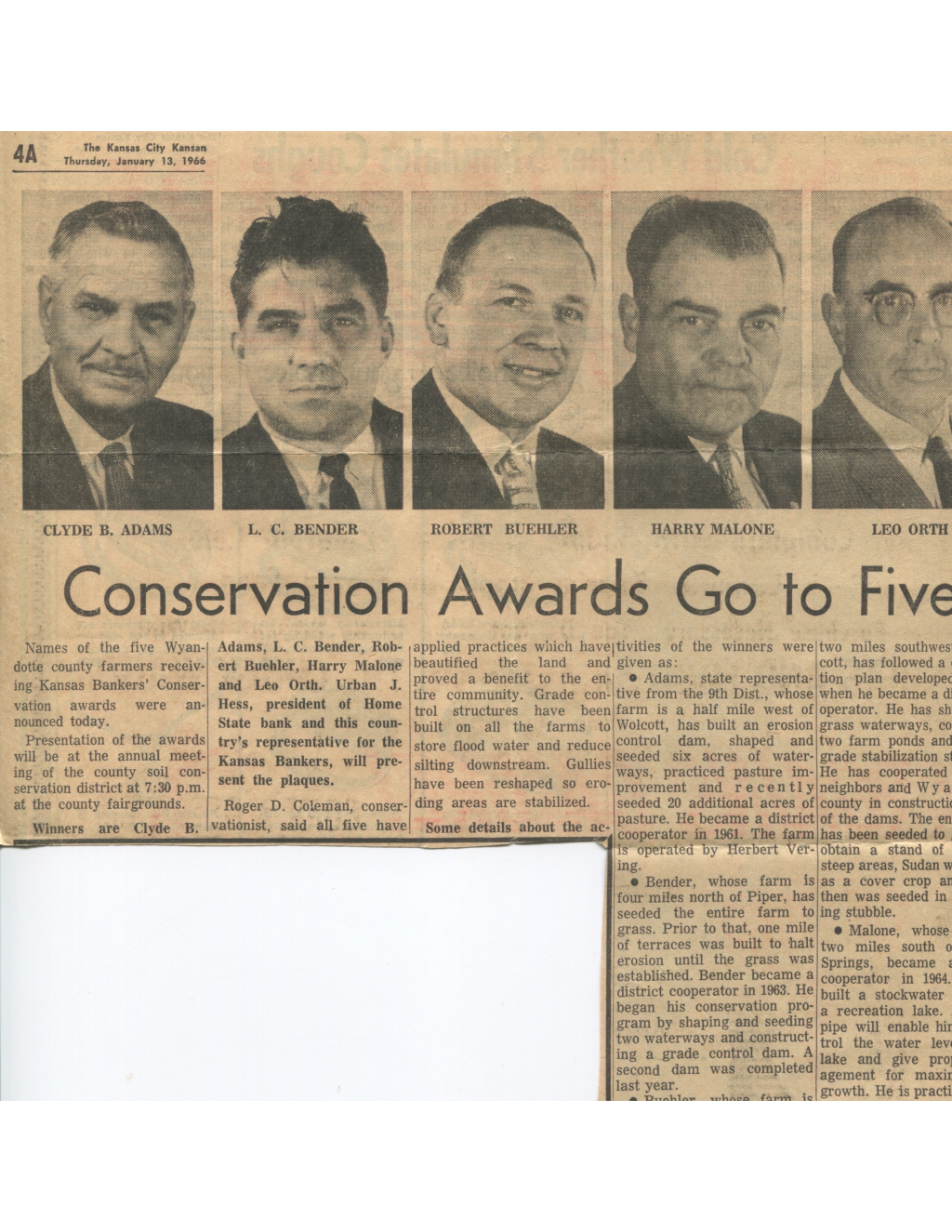
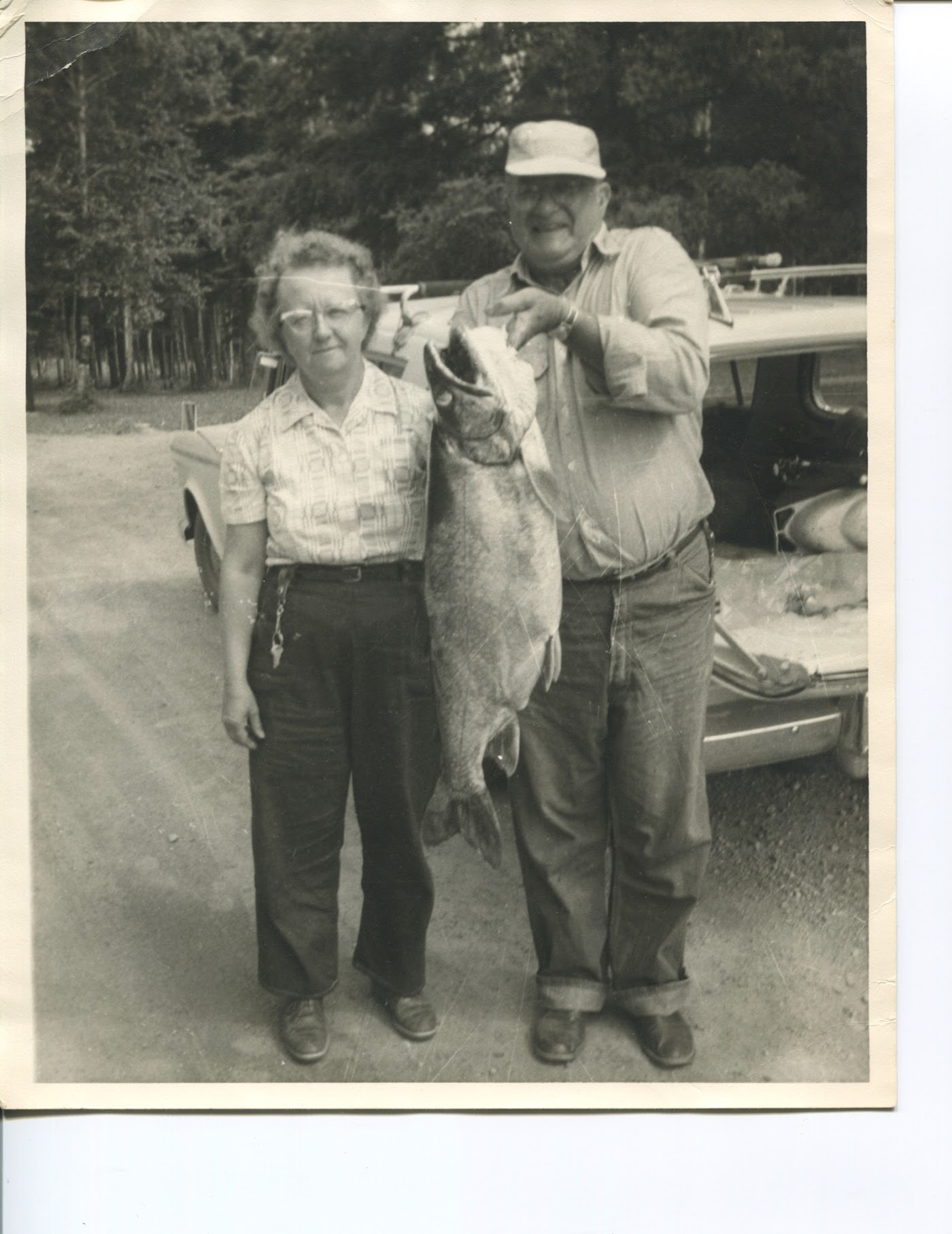
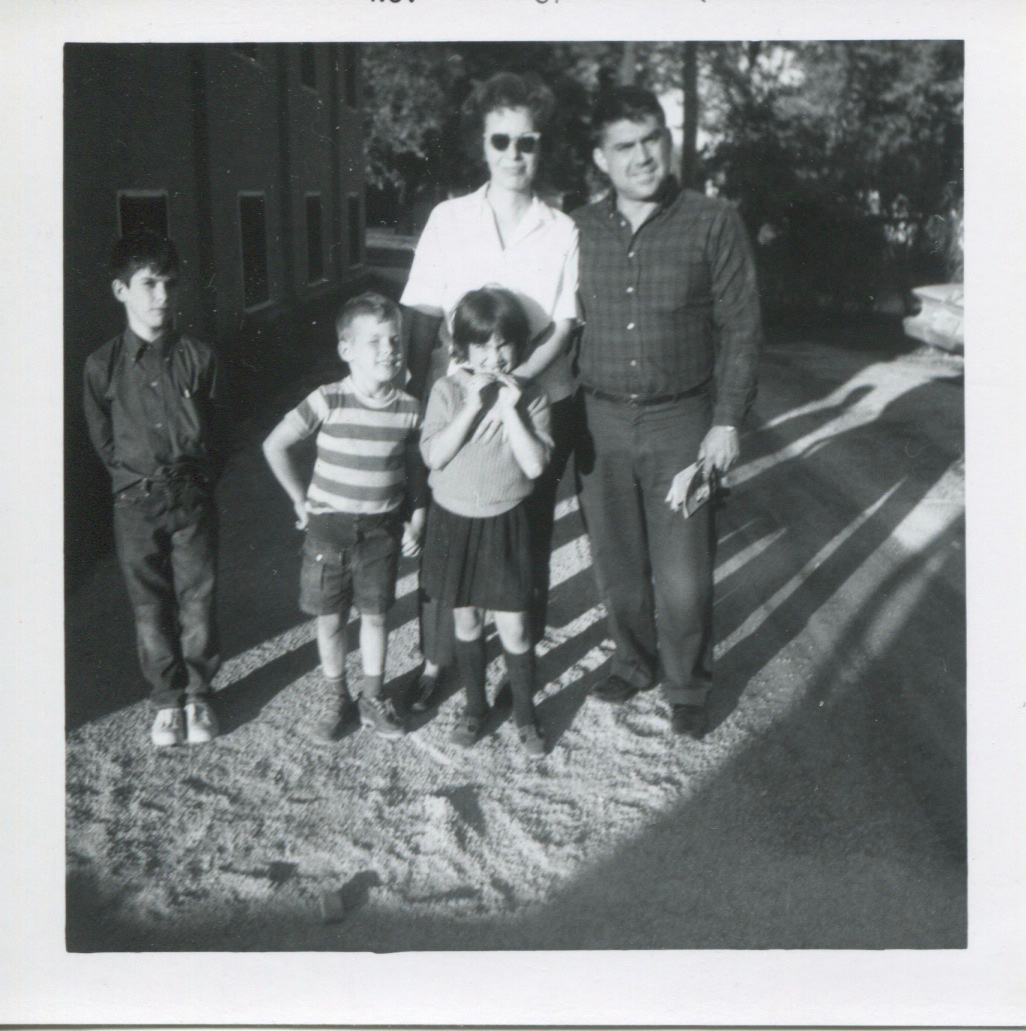



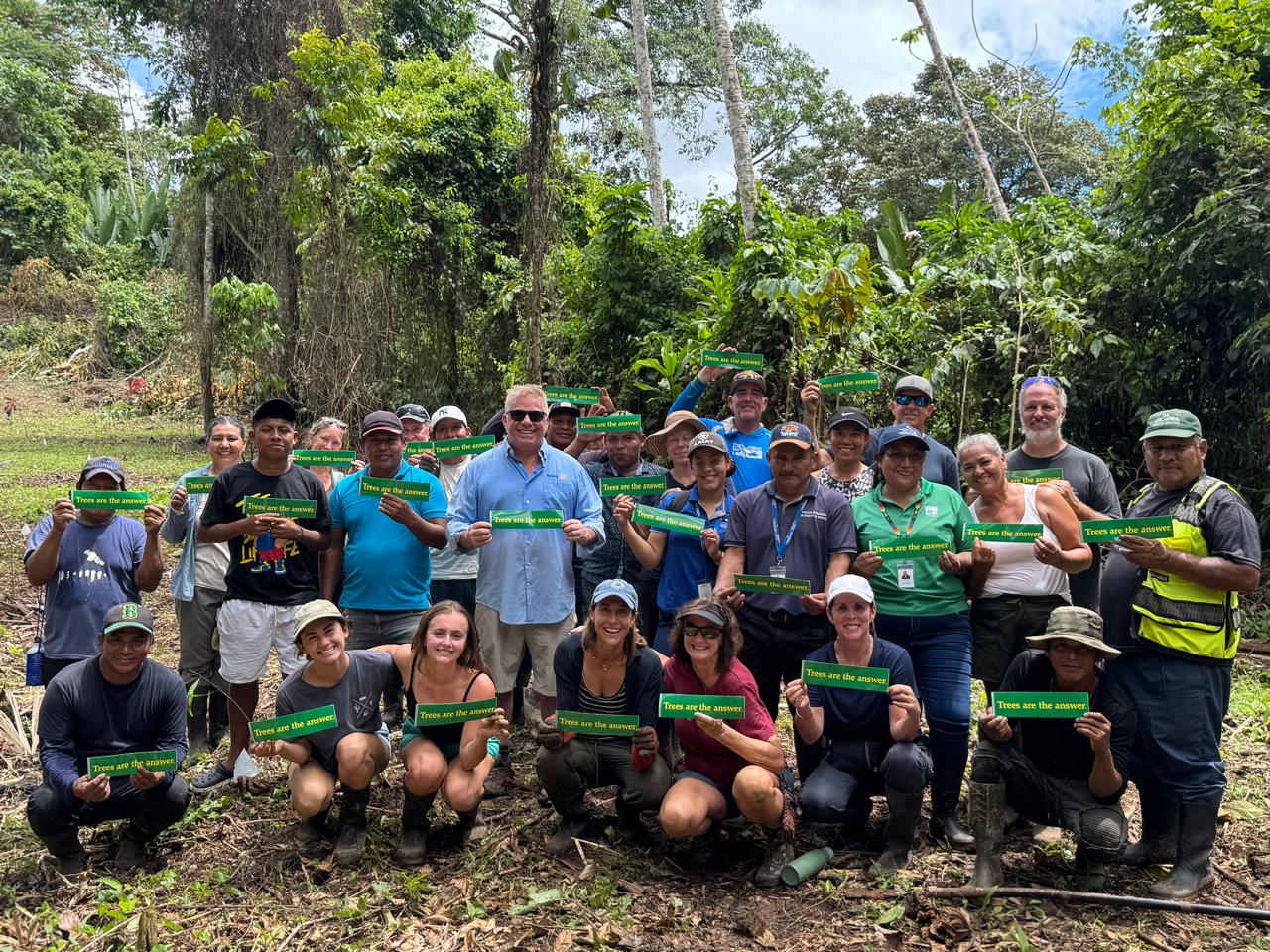
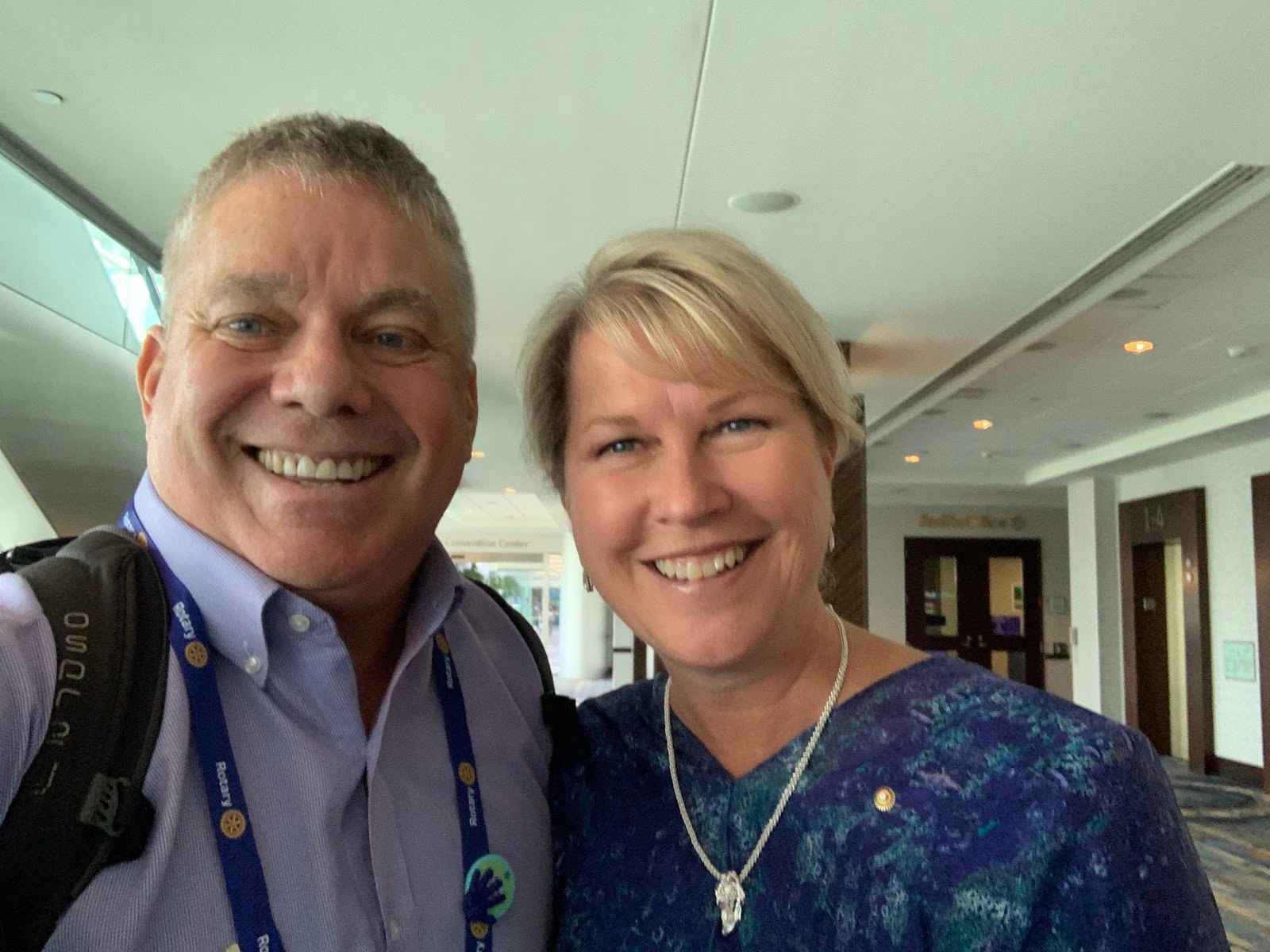
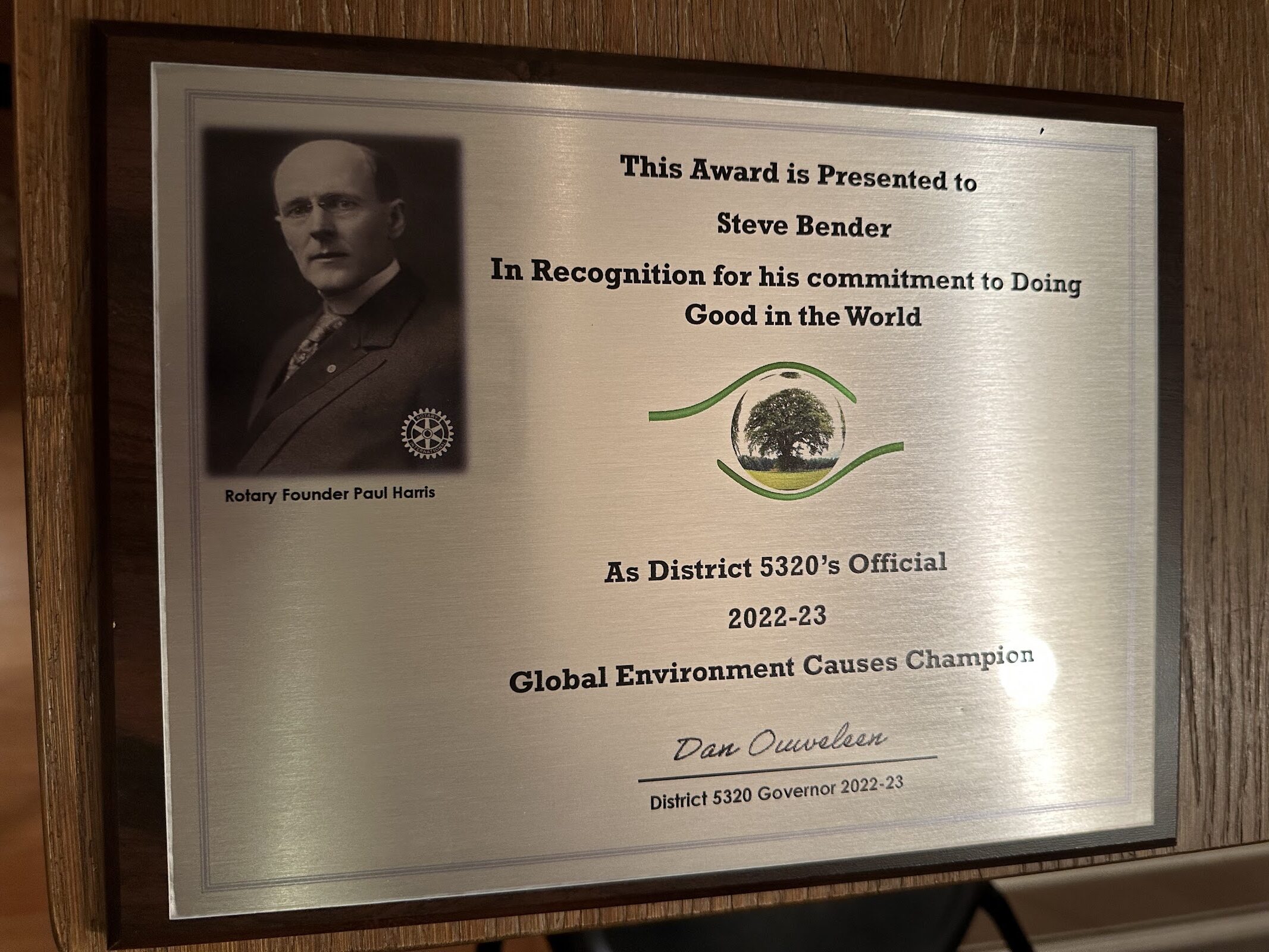
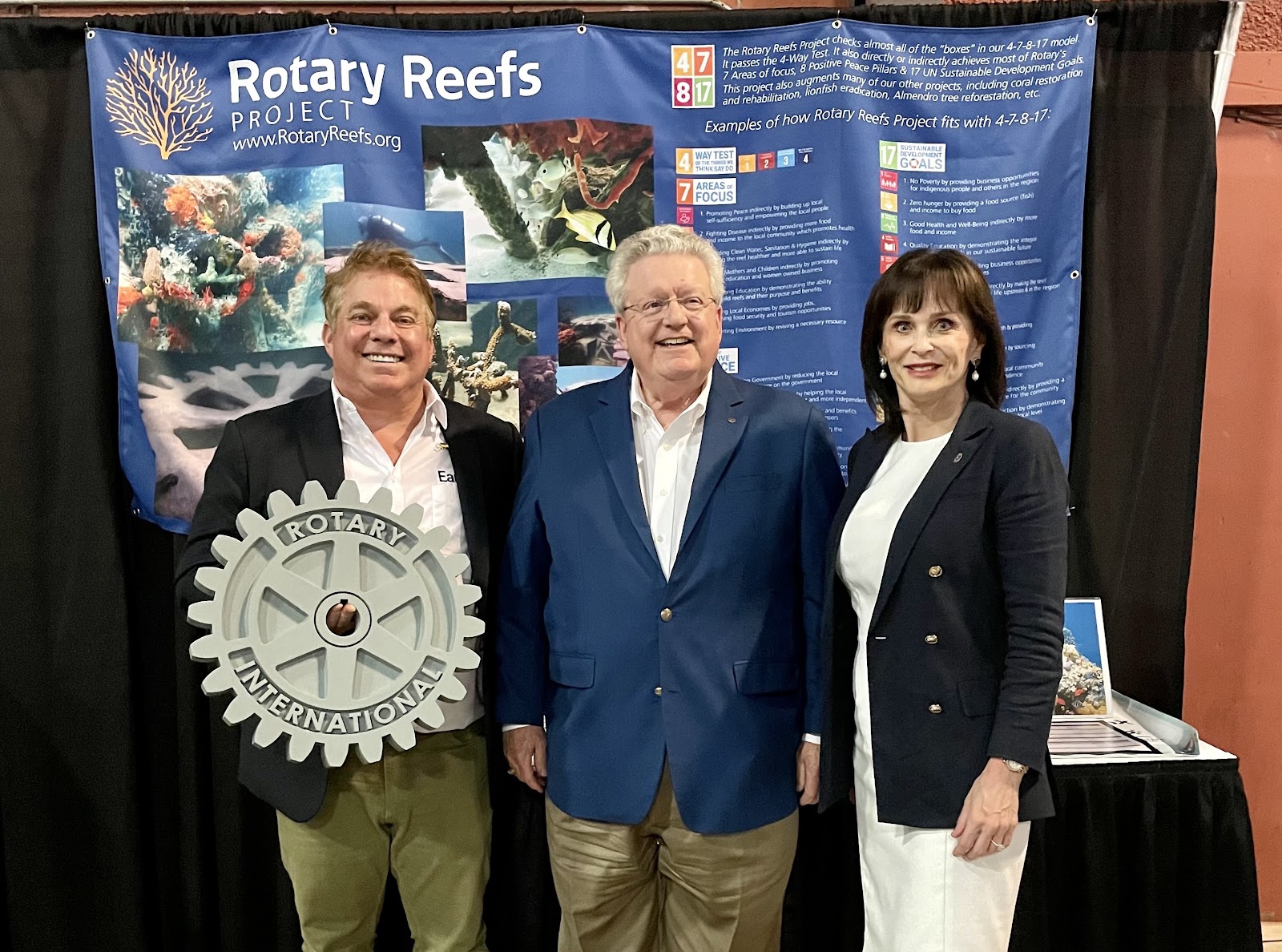
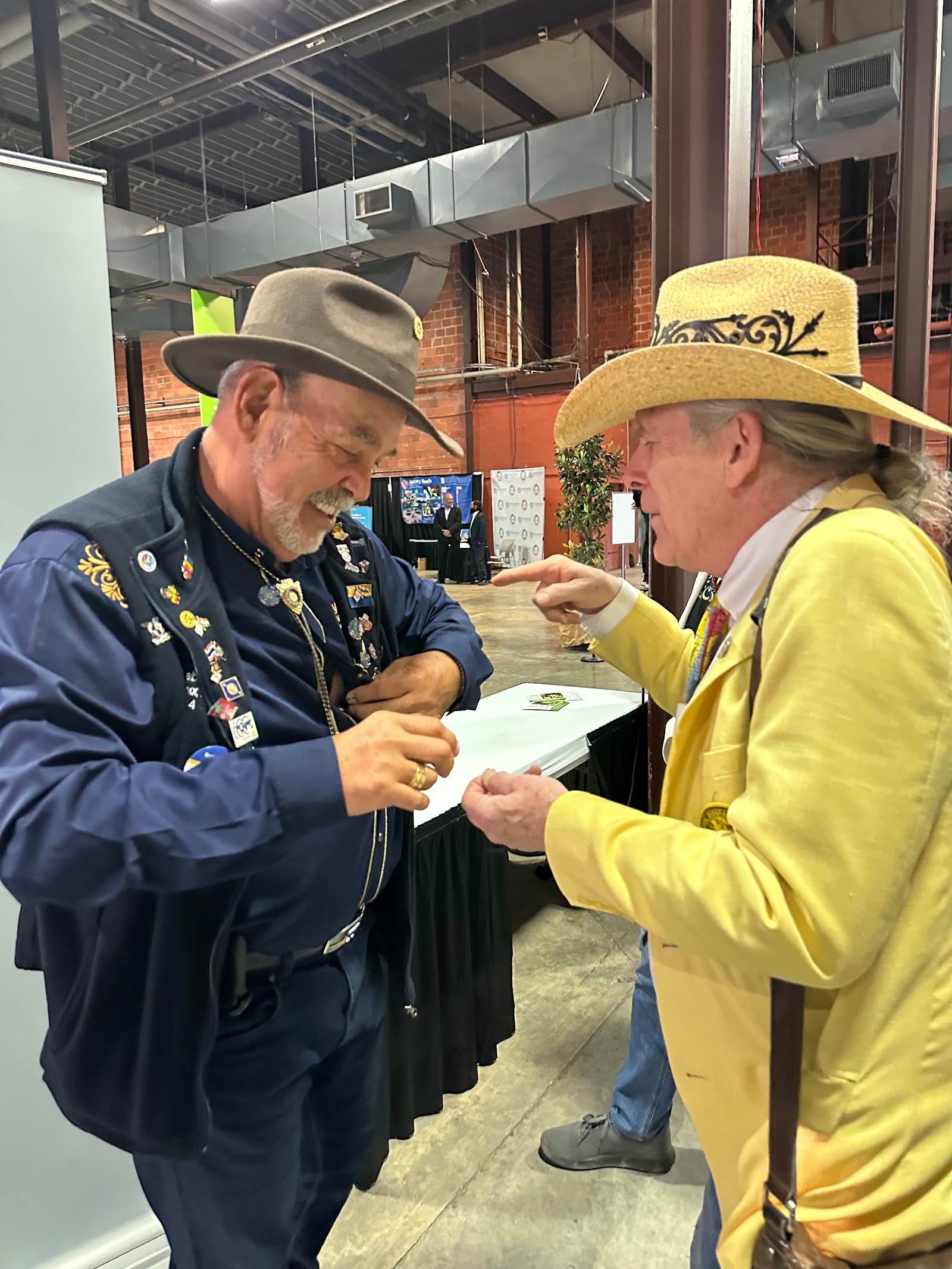
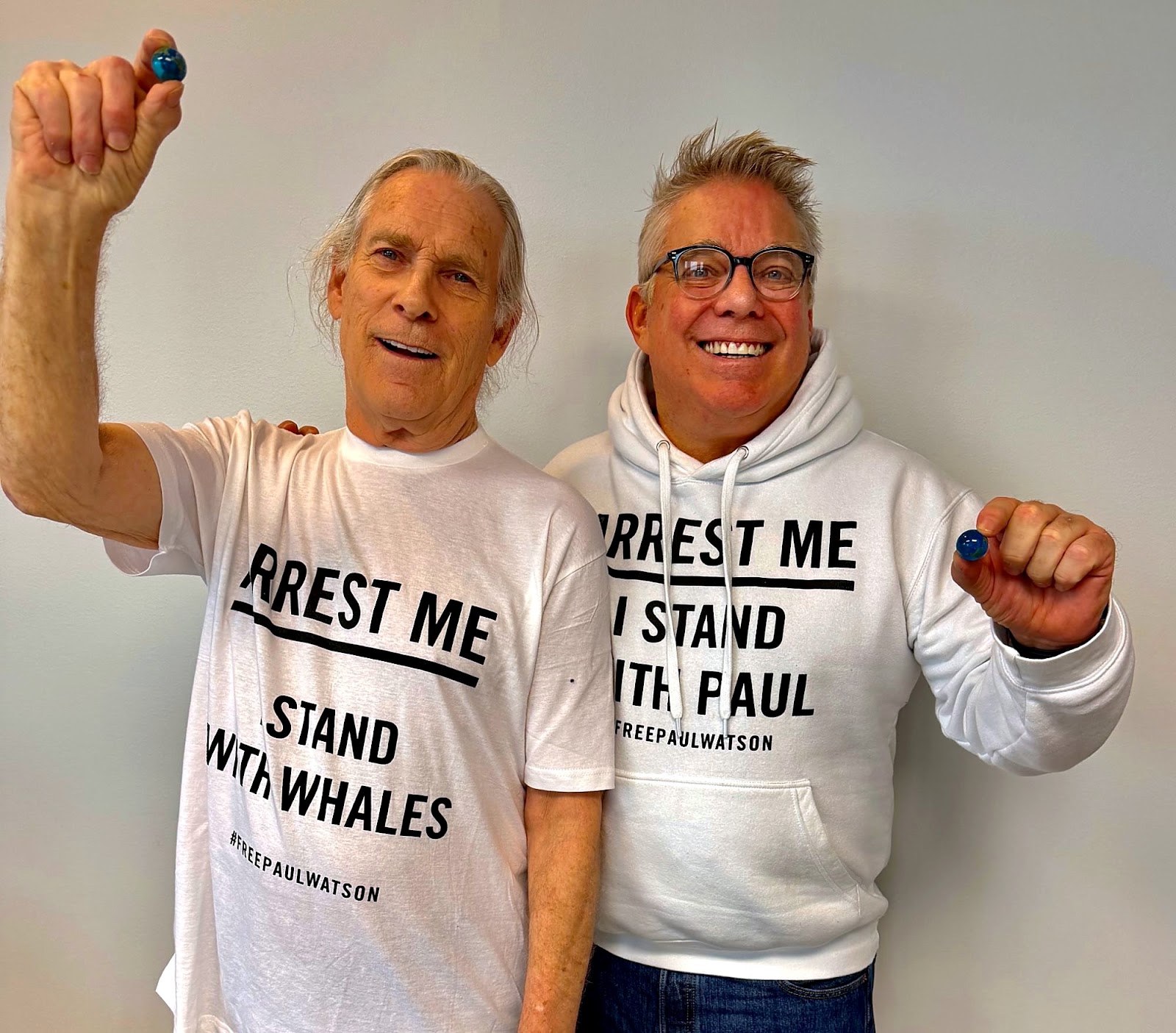
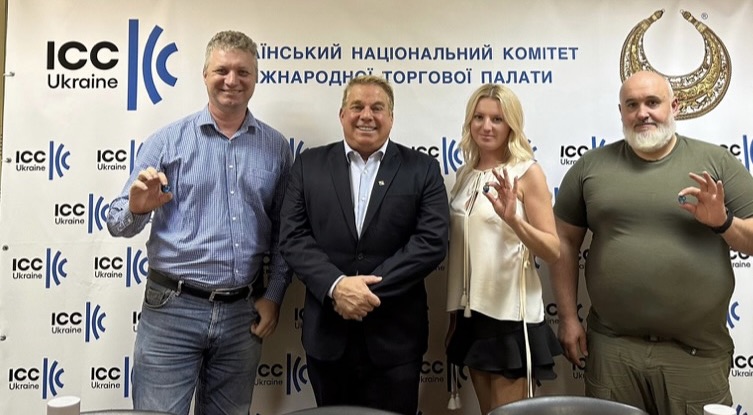
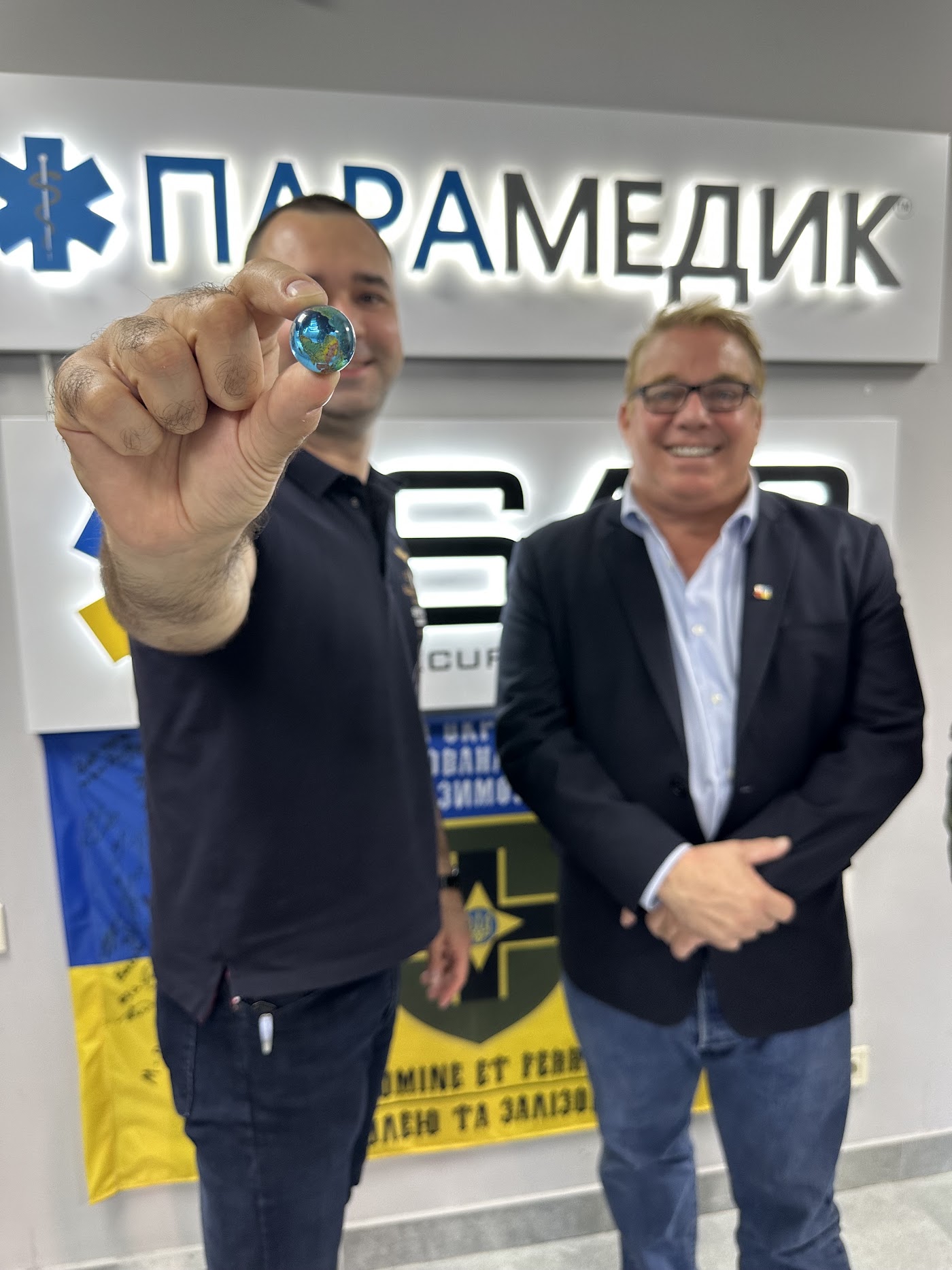
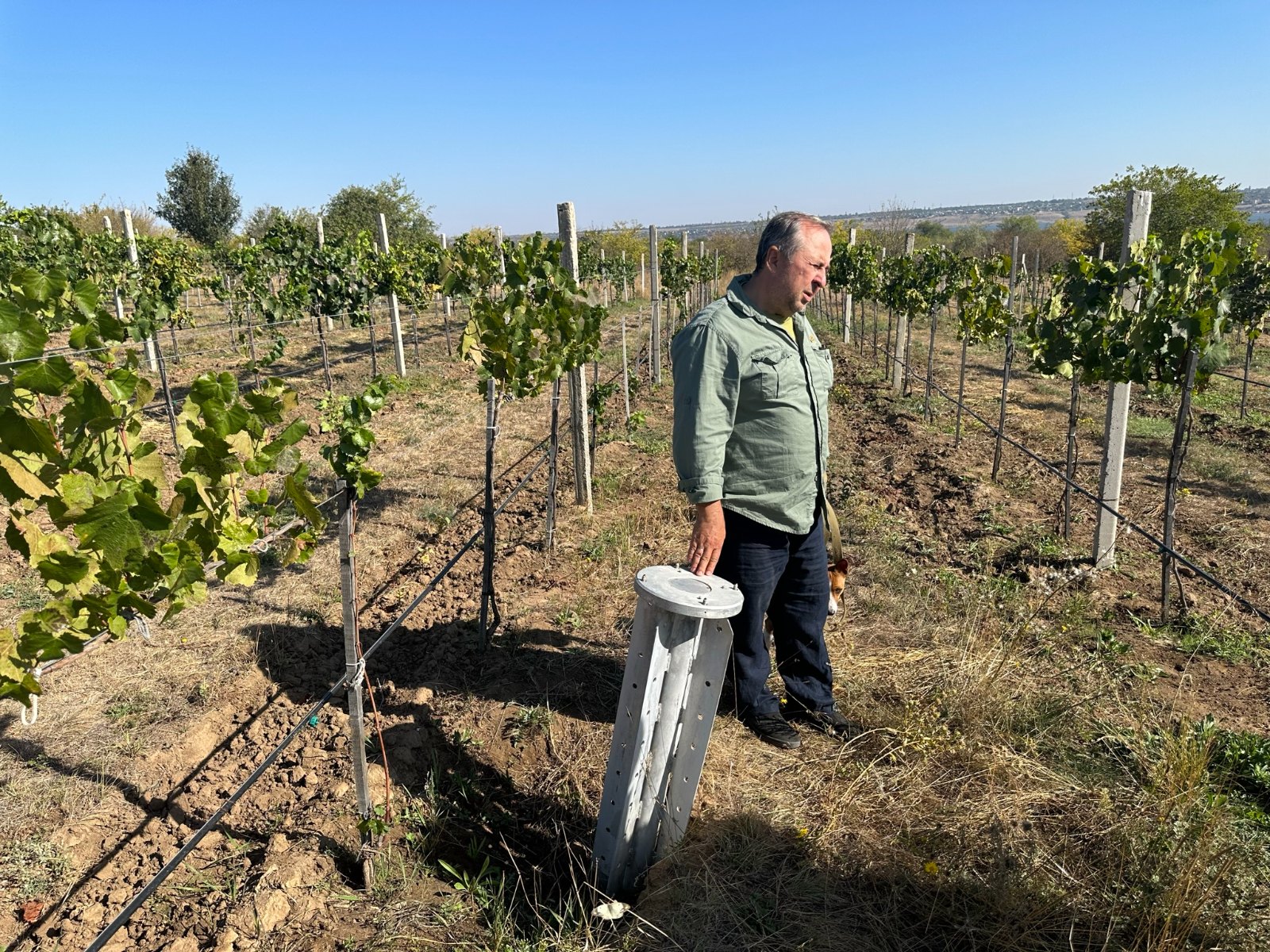
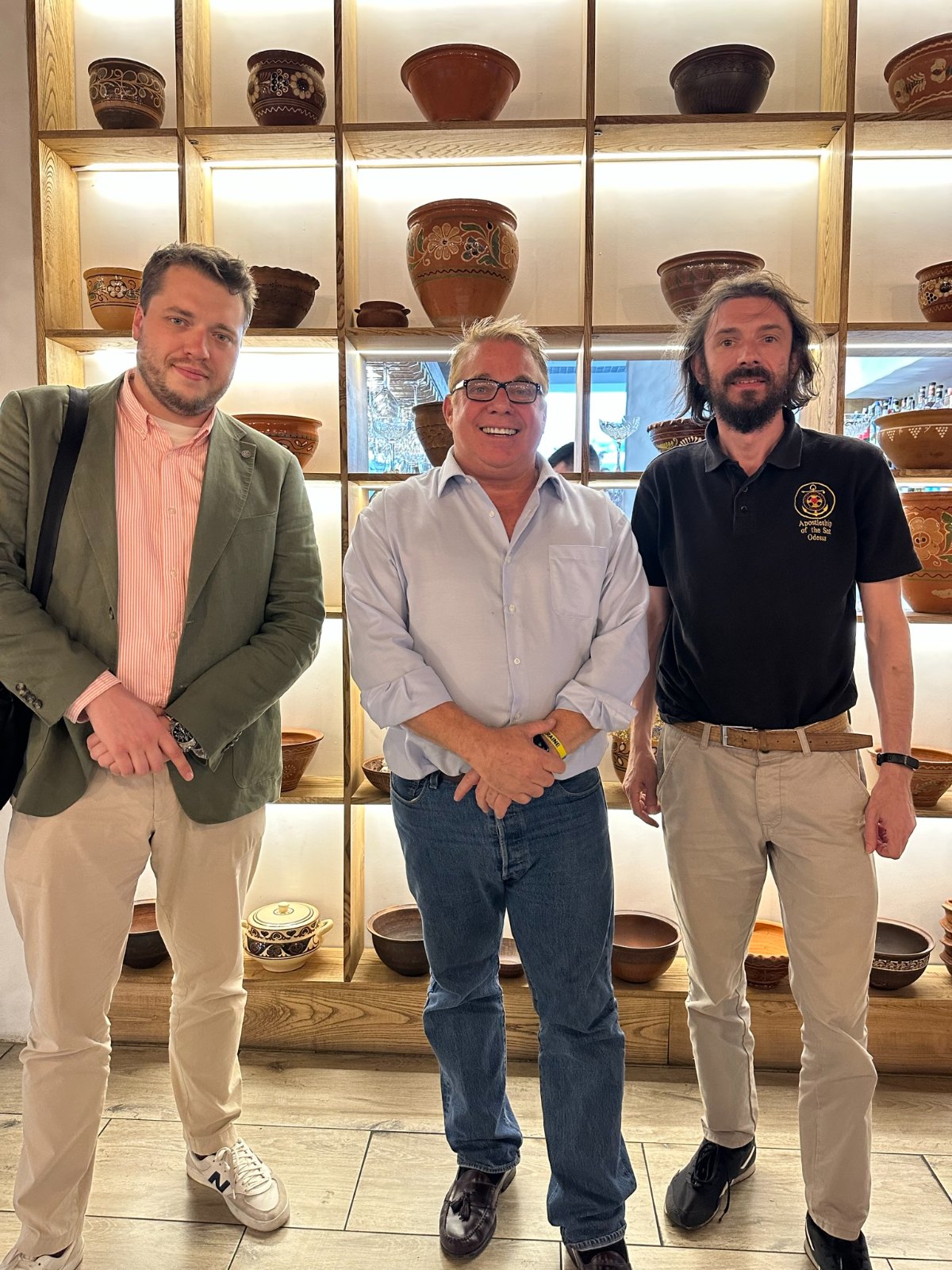
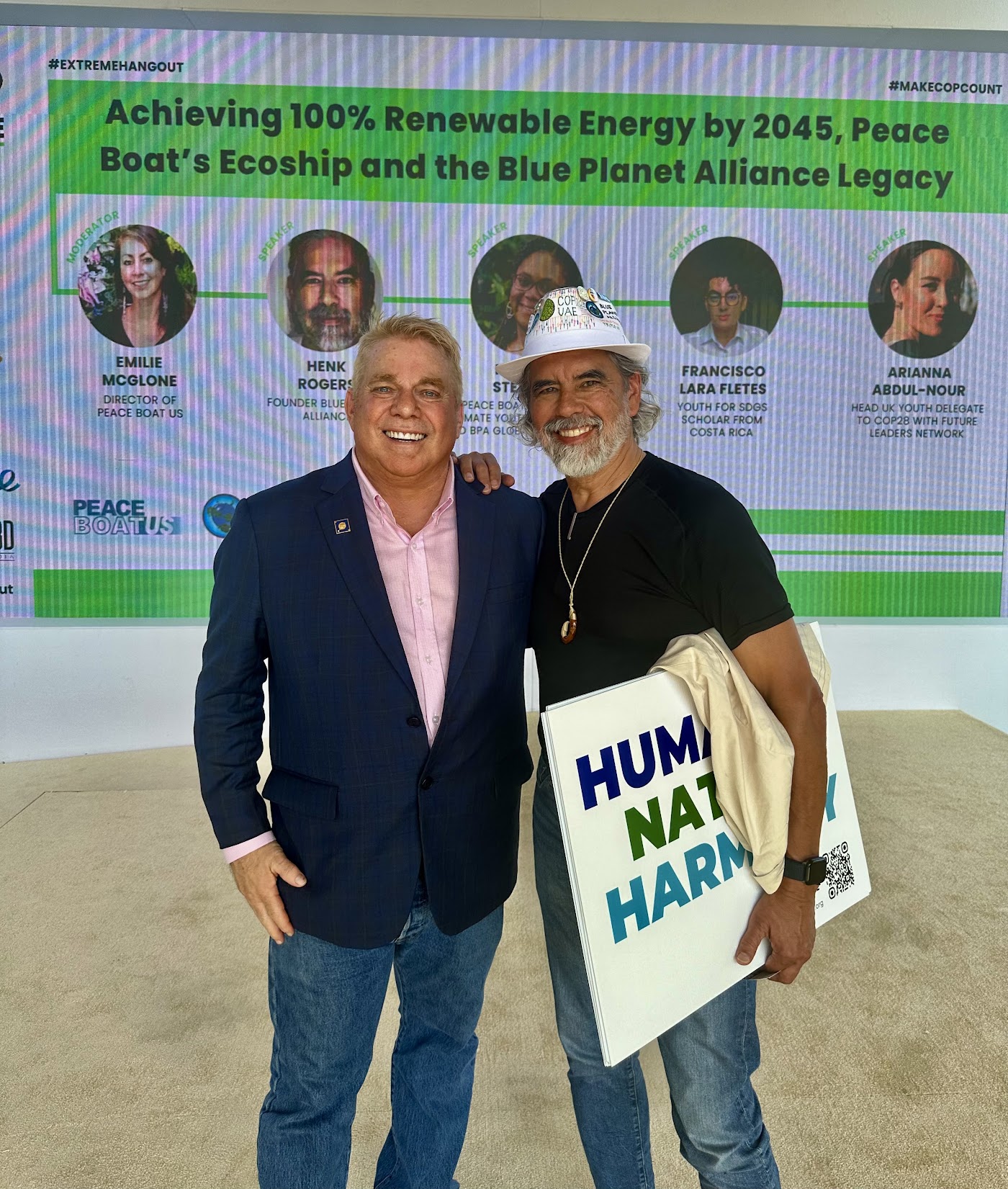
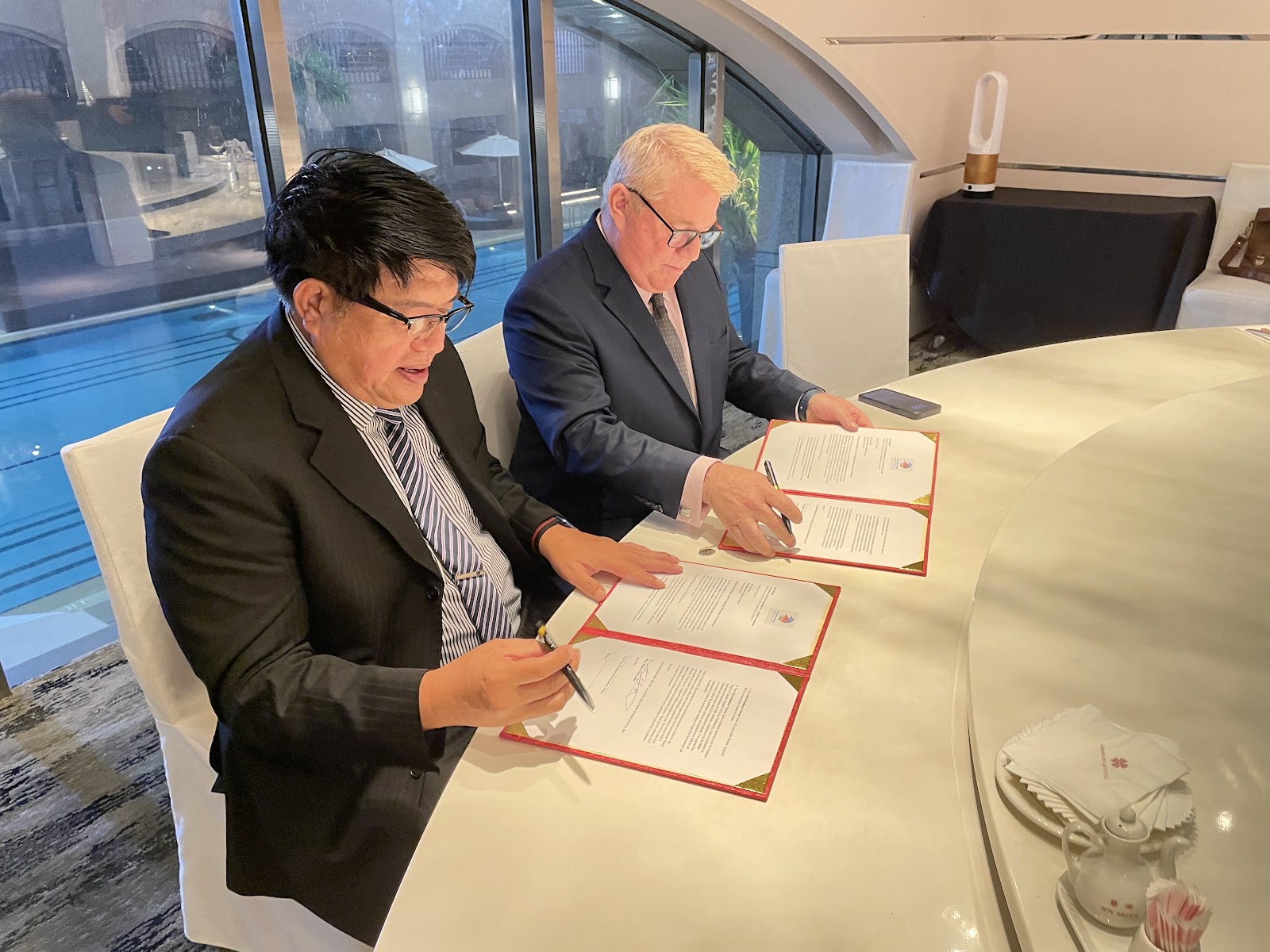


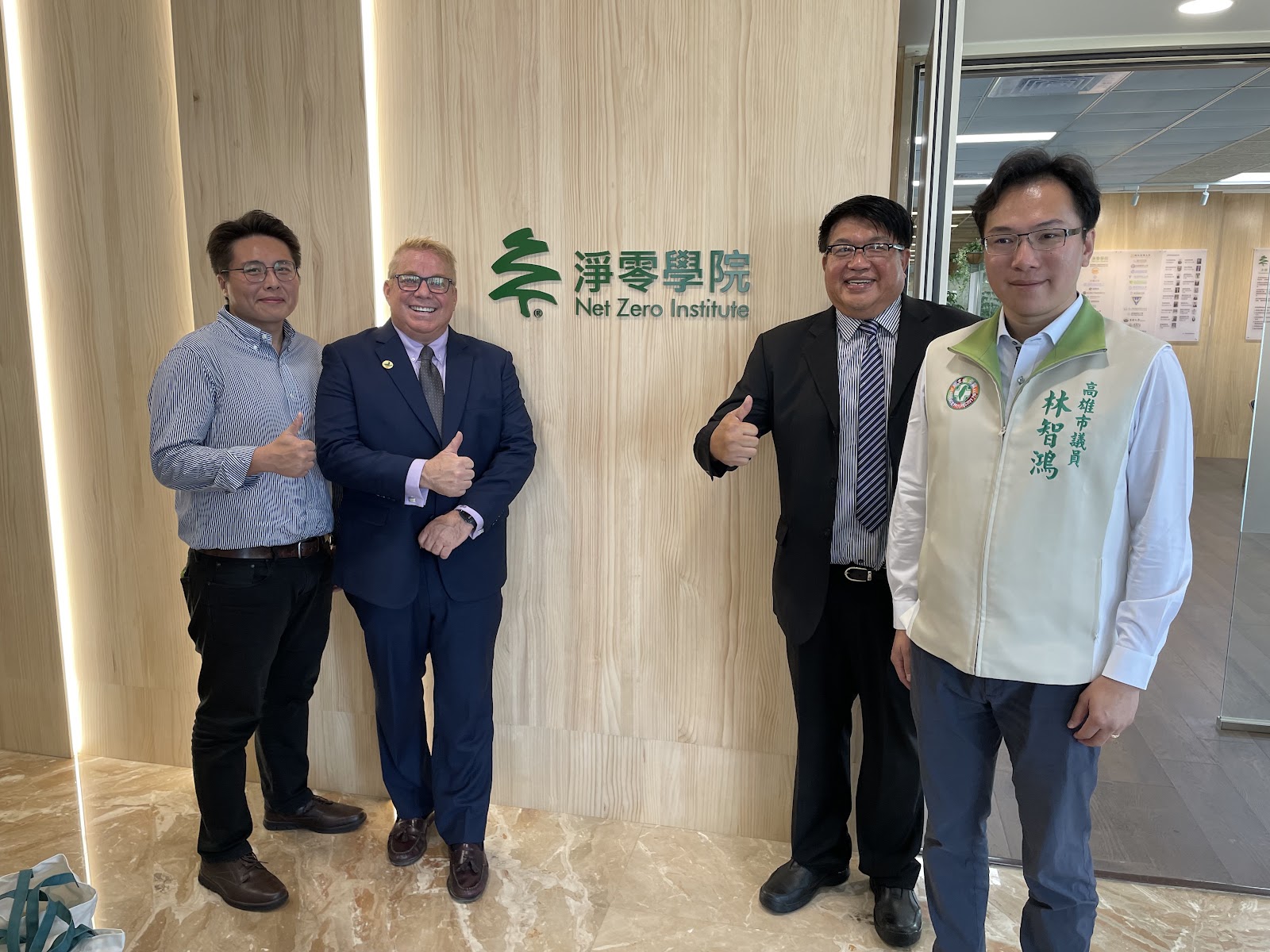
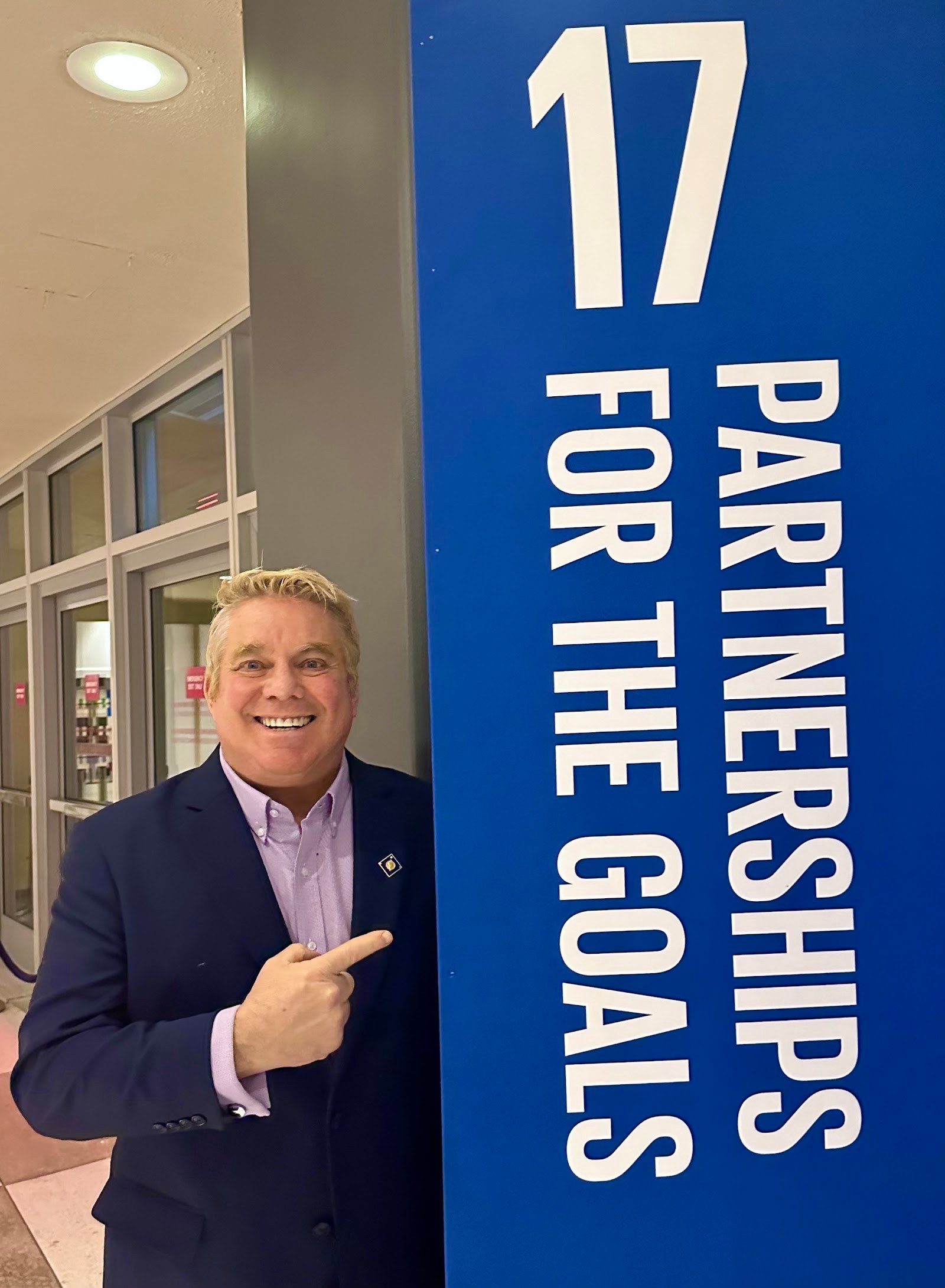
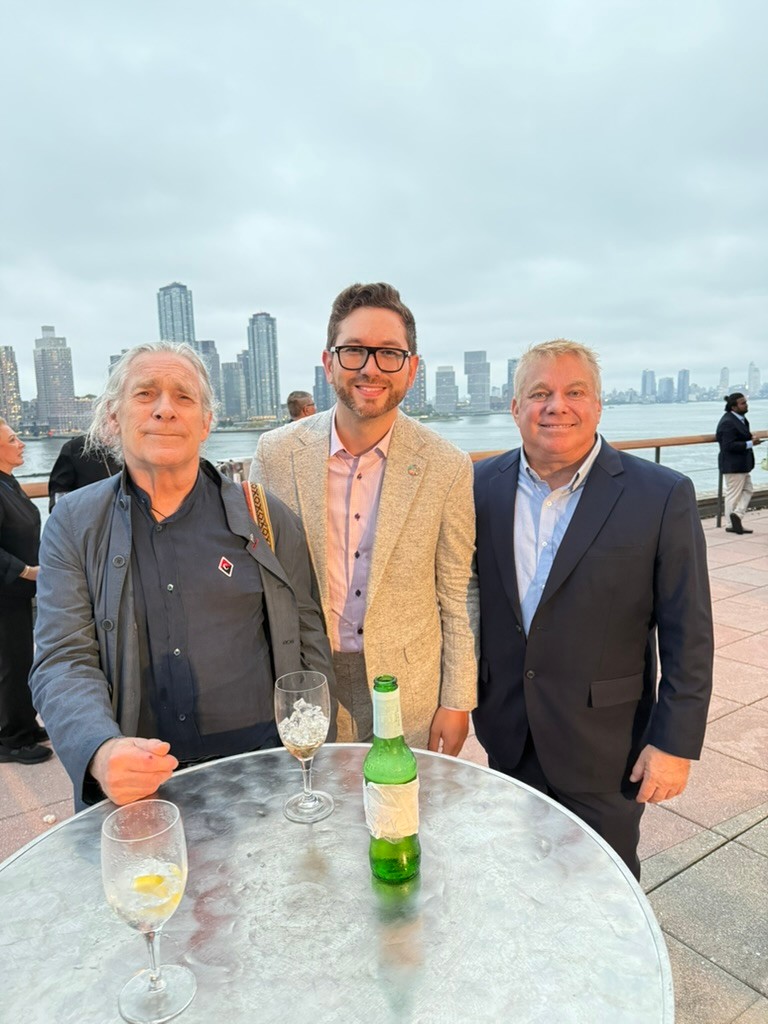
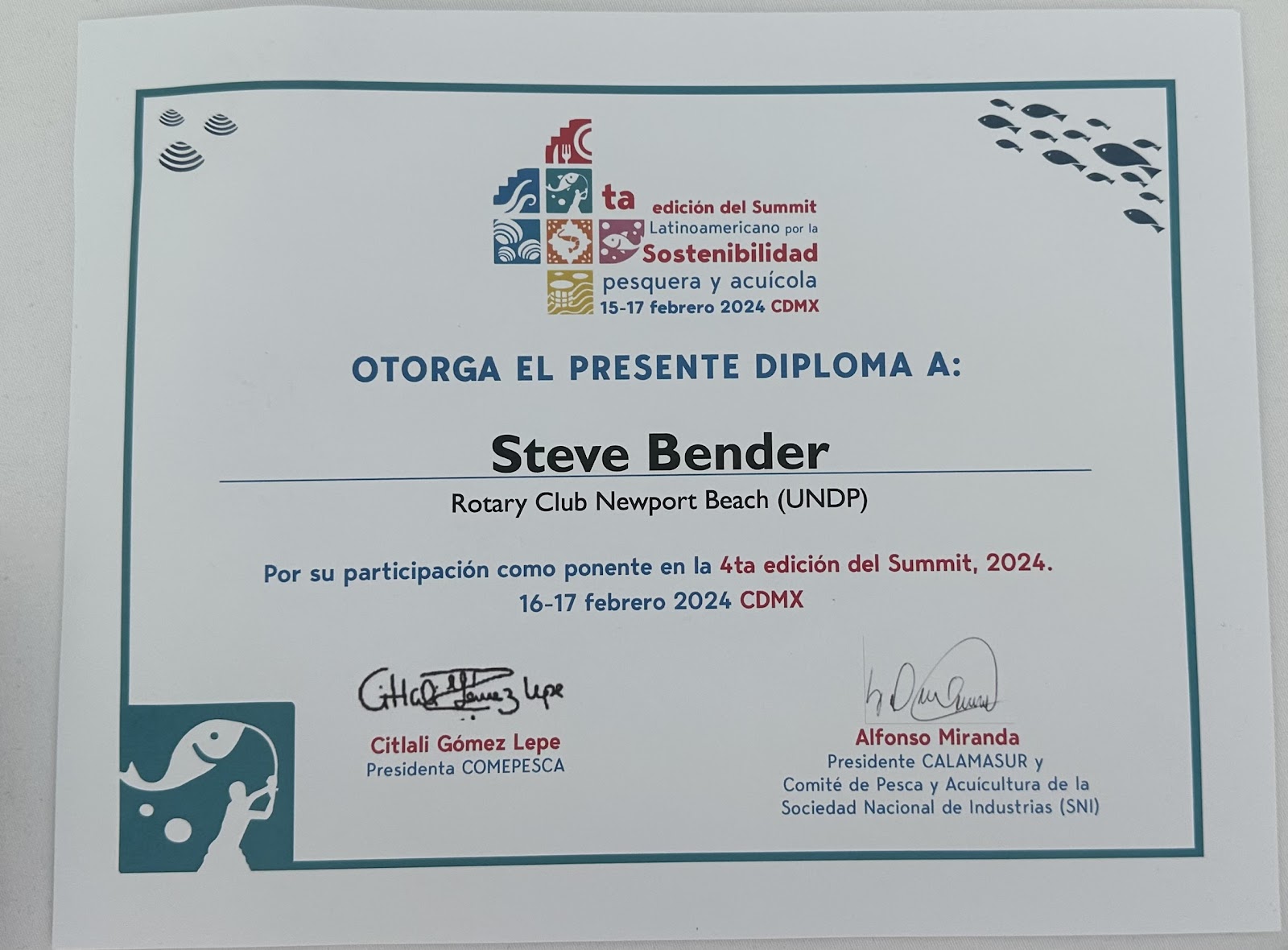
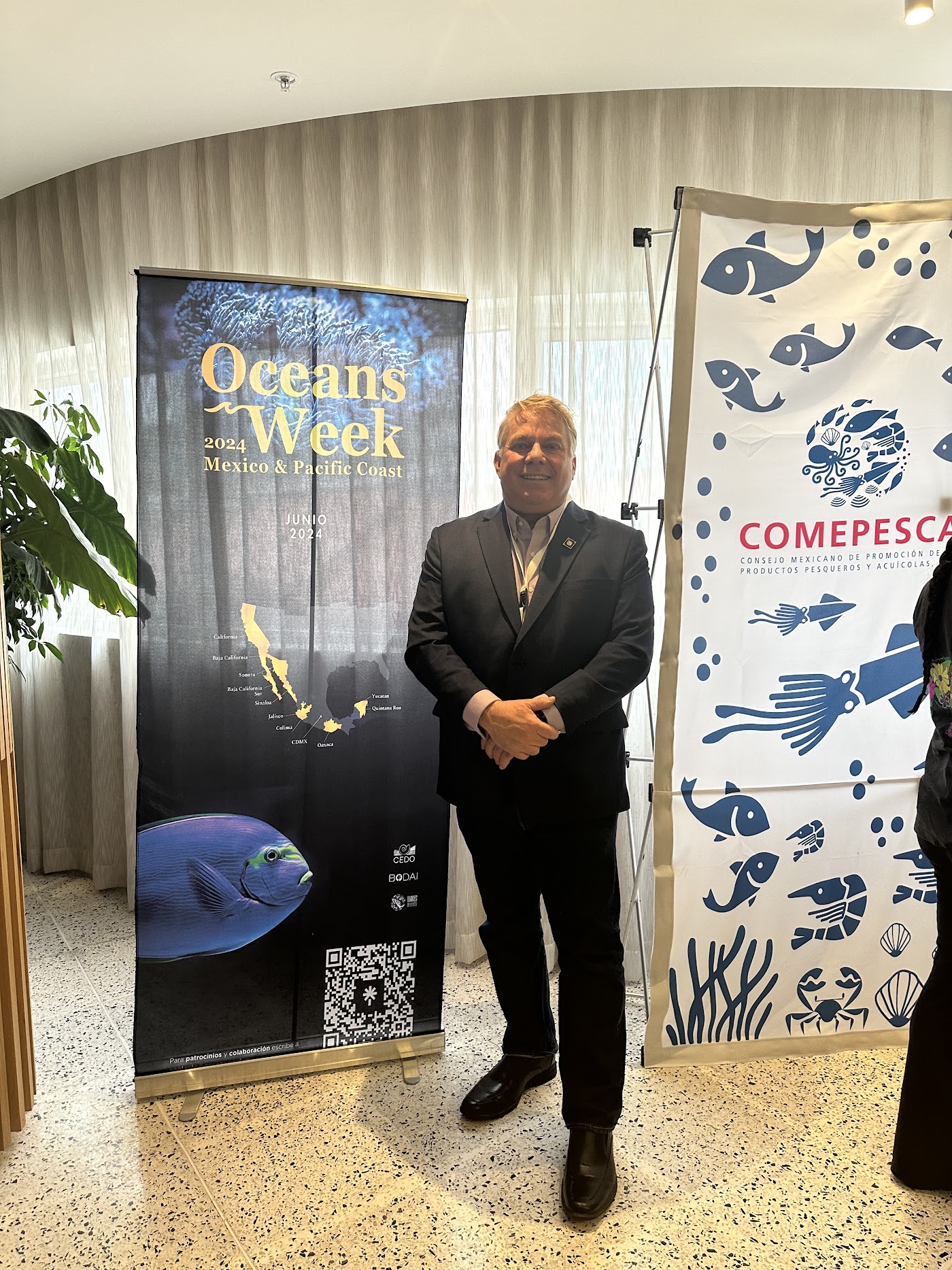
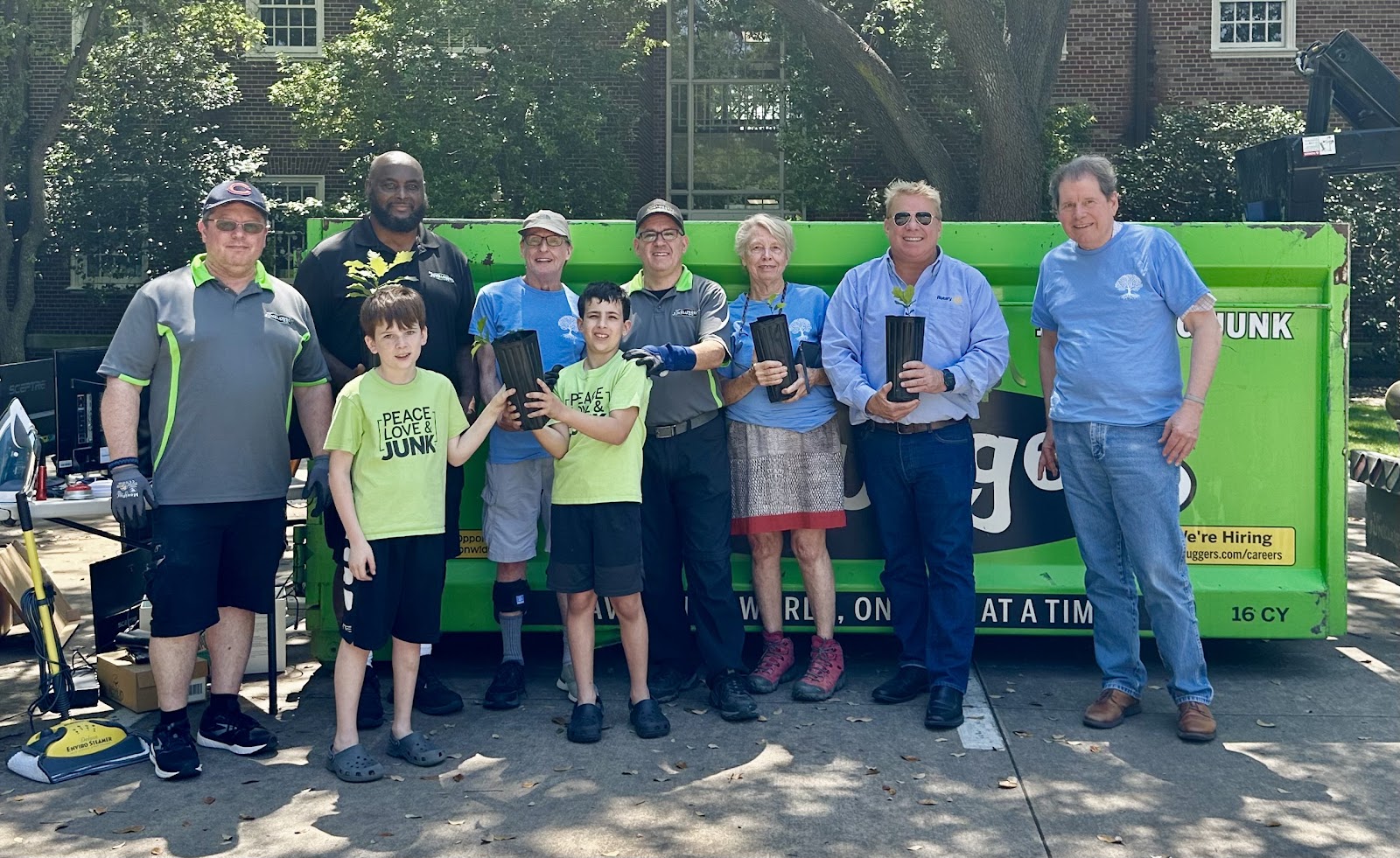
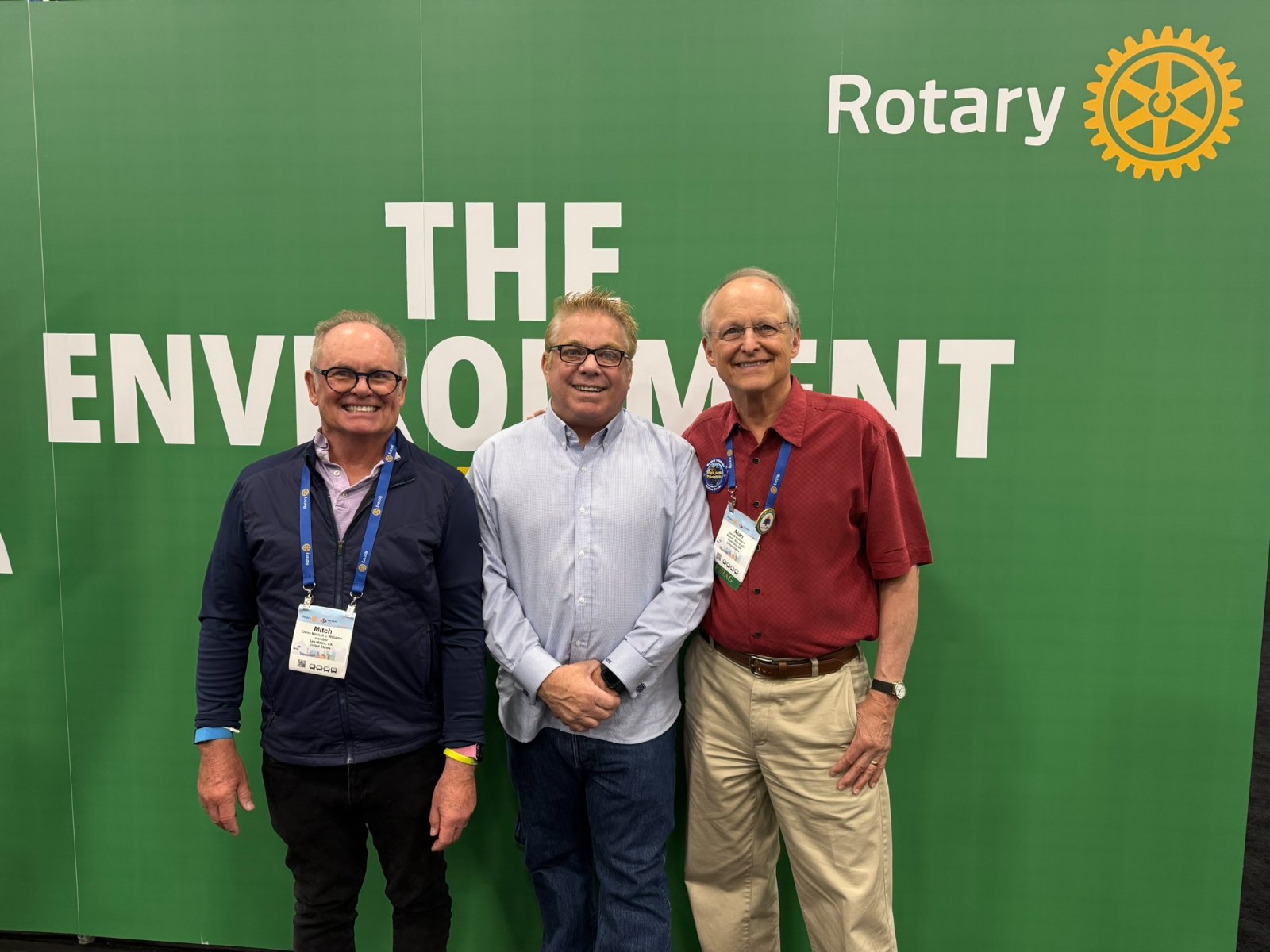

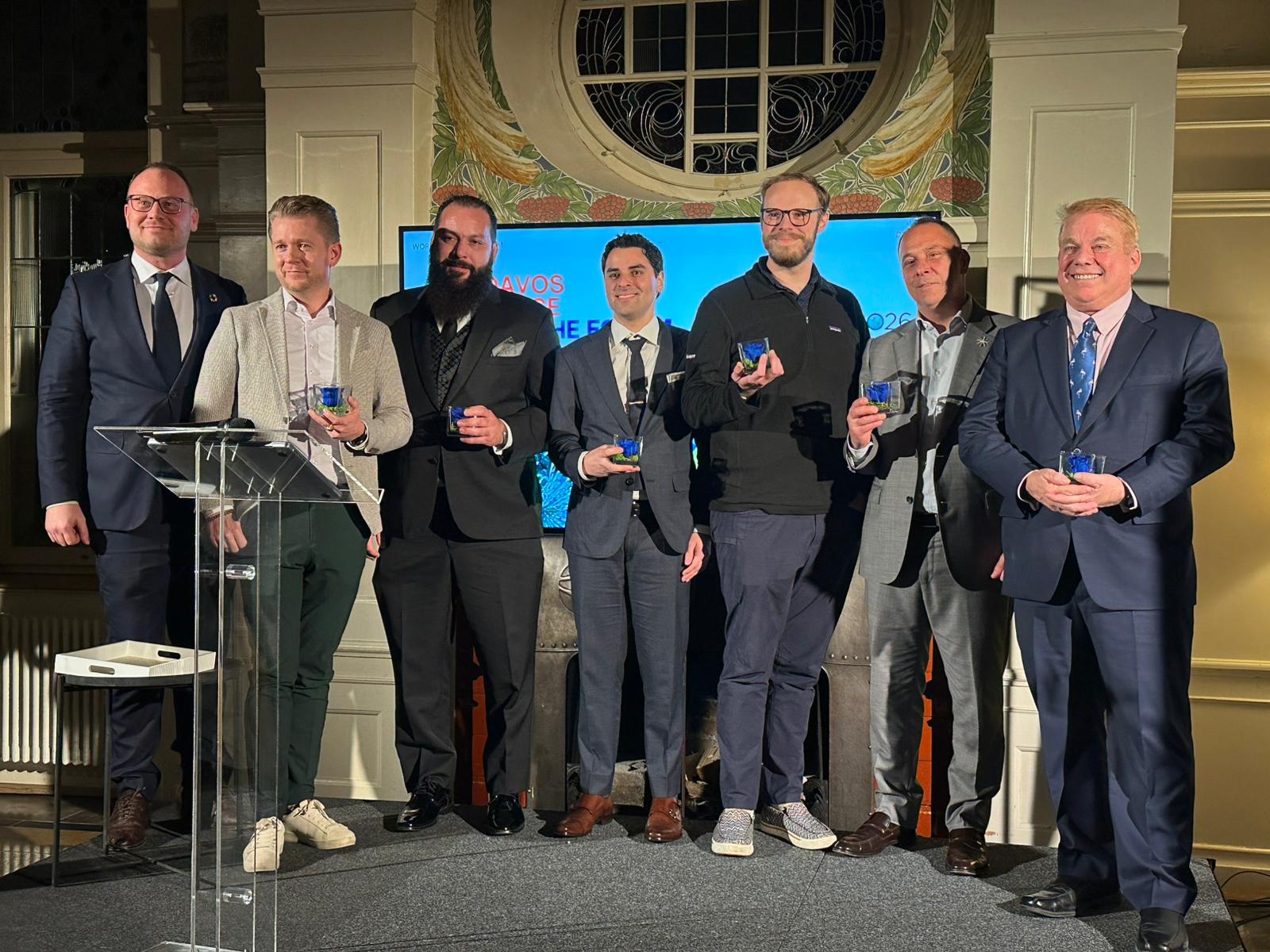

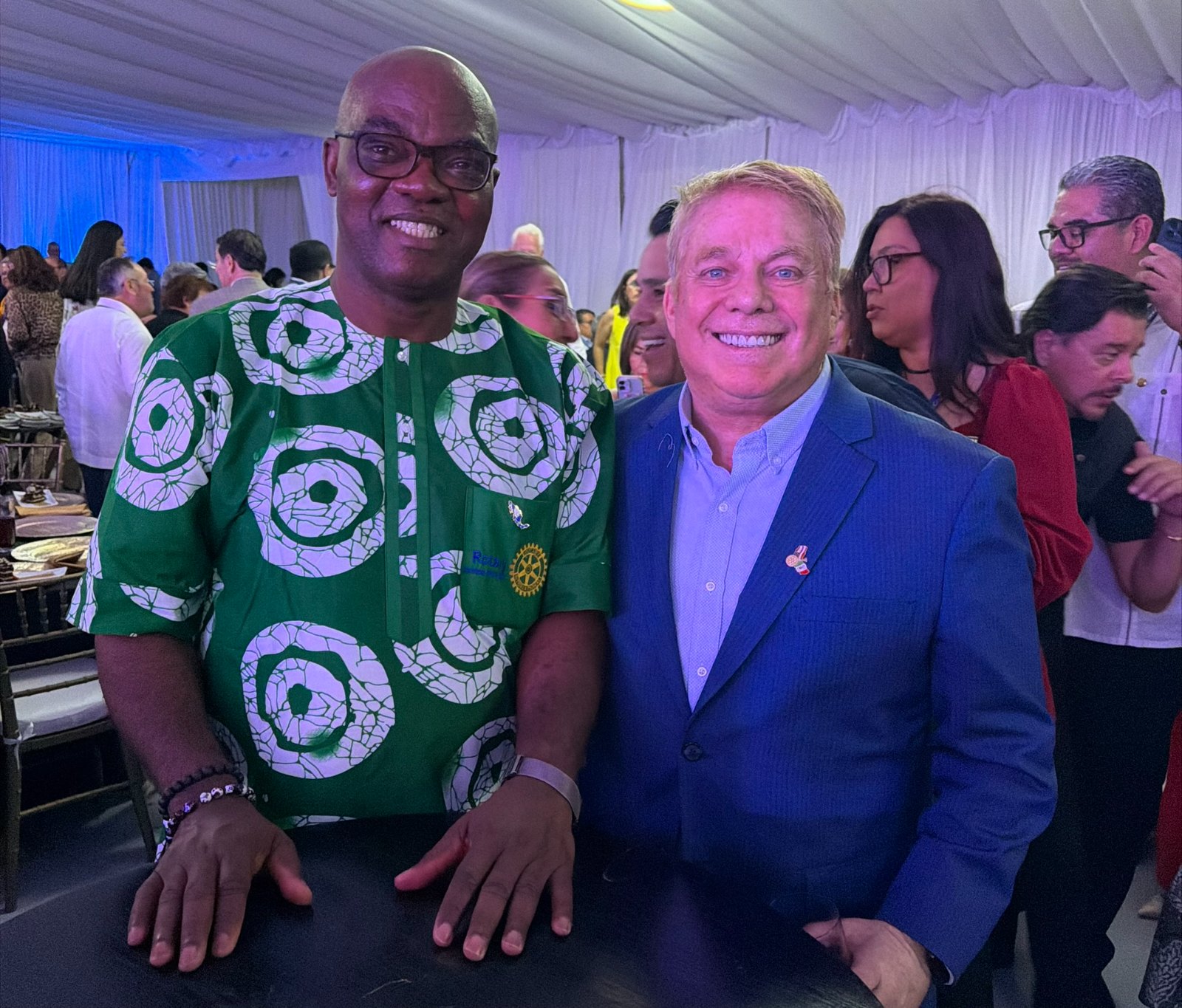
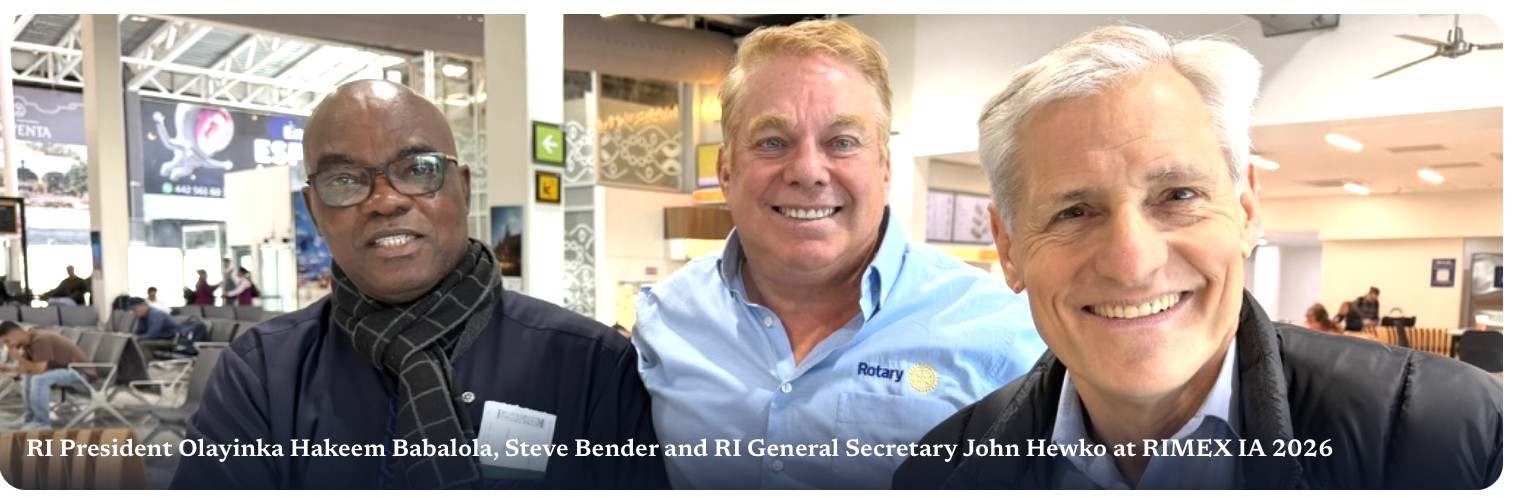
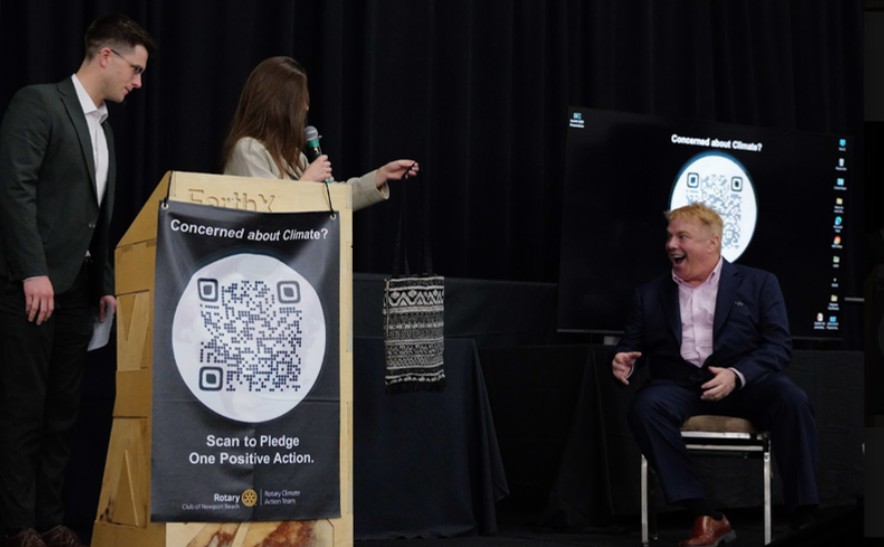


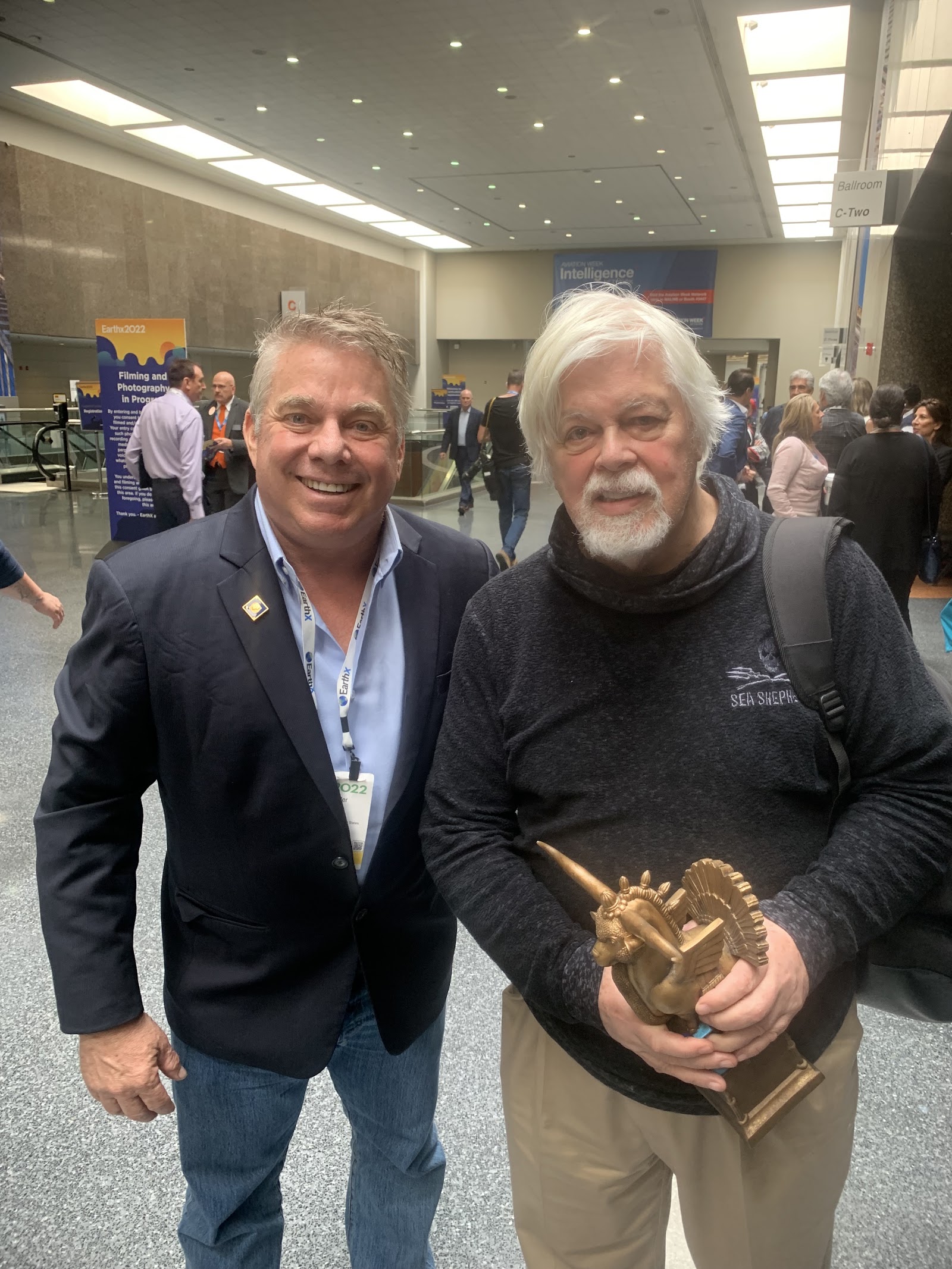 Captain Paul Watson
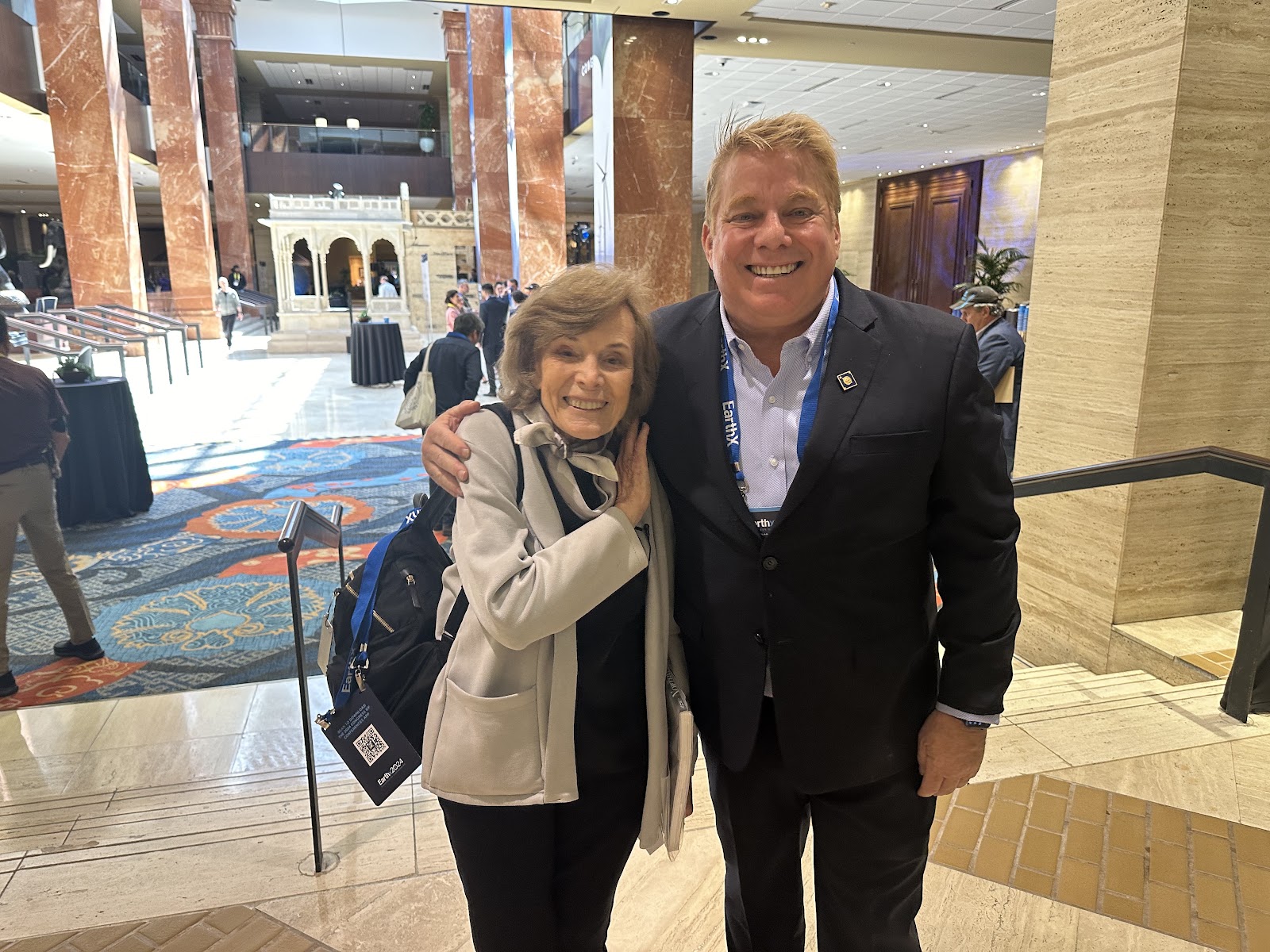 Dr. Sylvia Earle
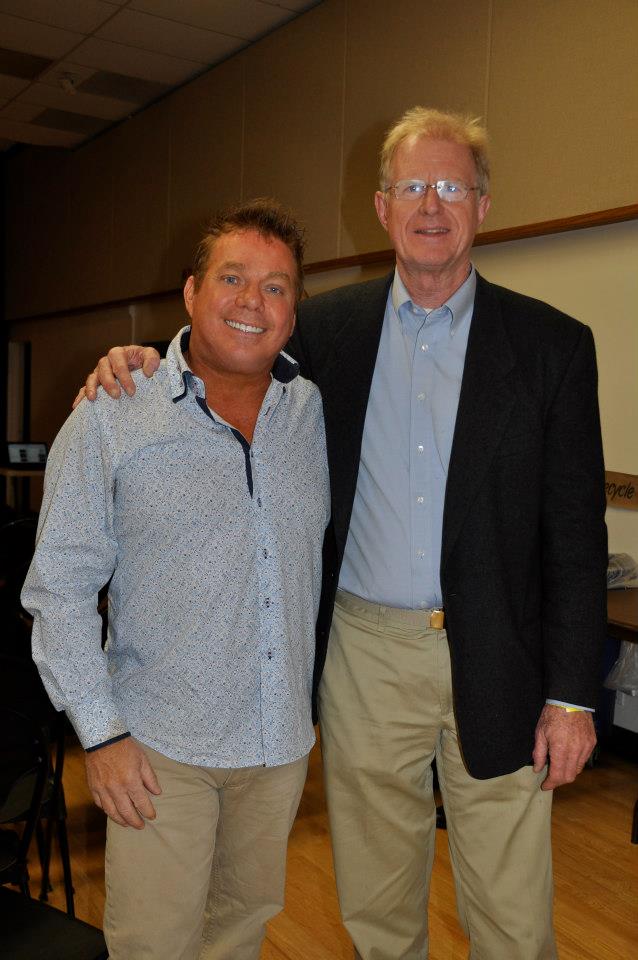
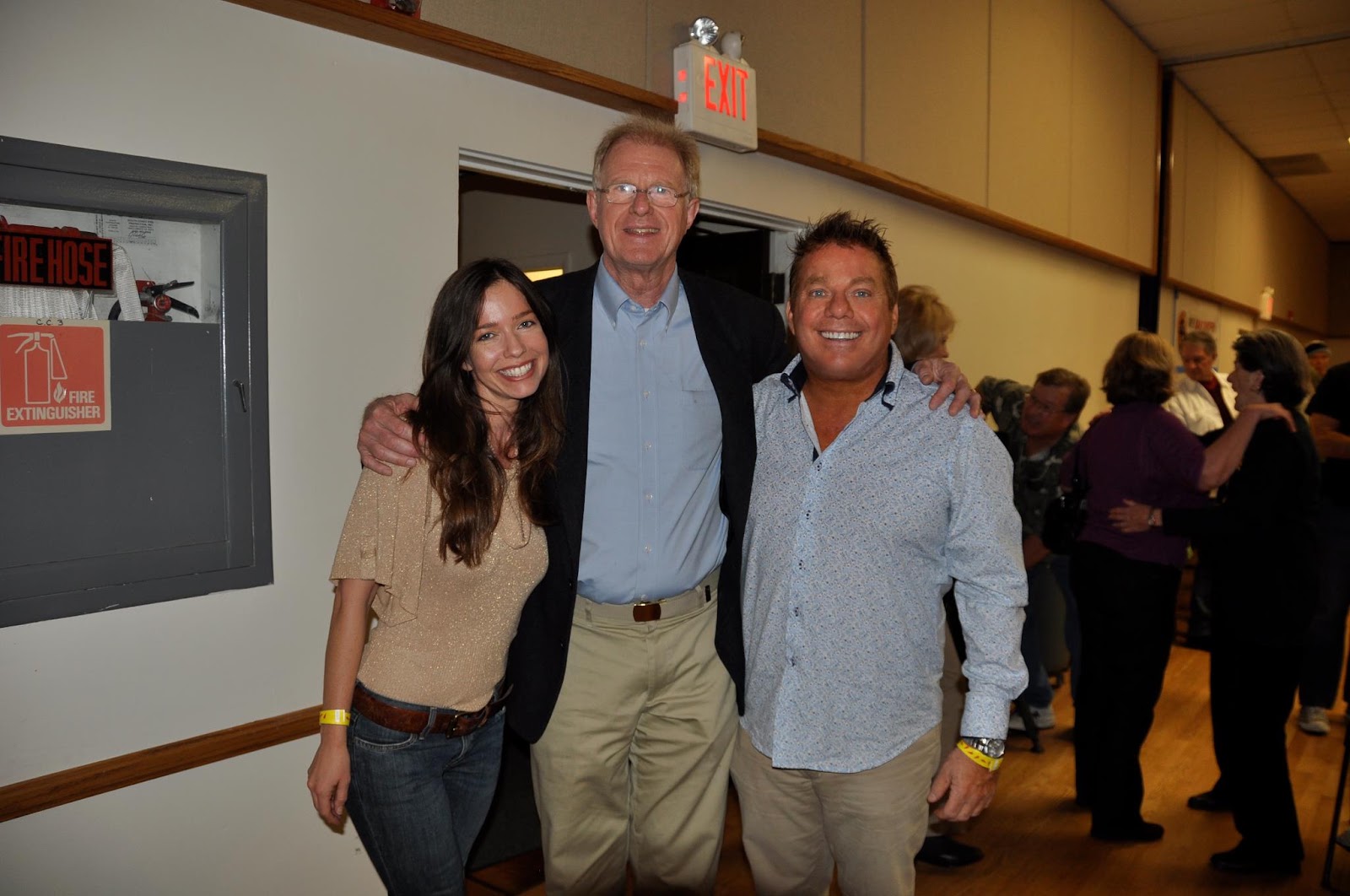
 Ed Begley Jr.